Blog

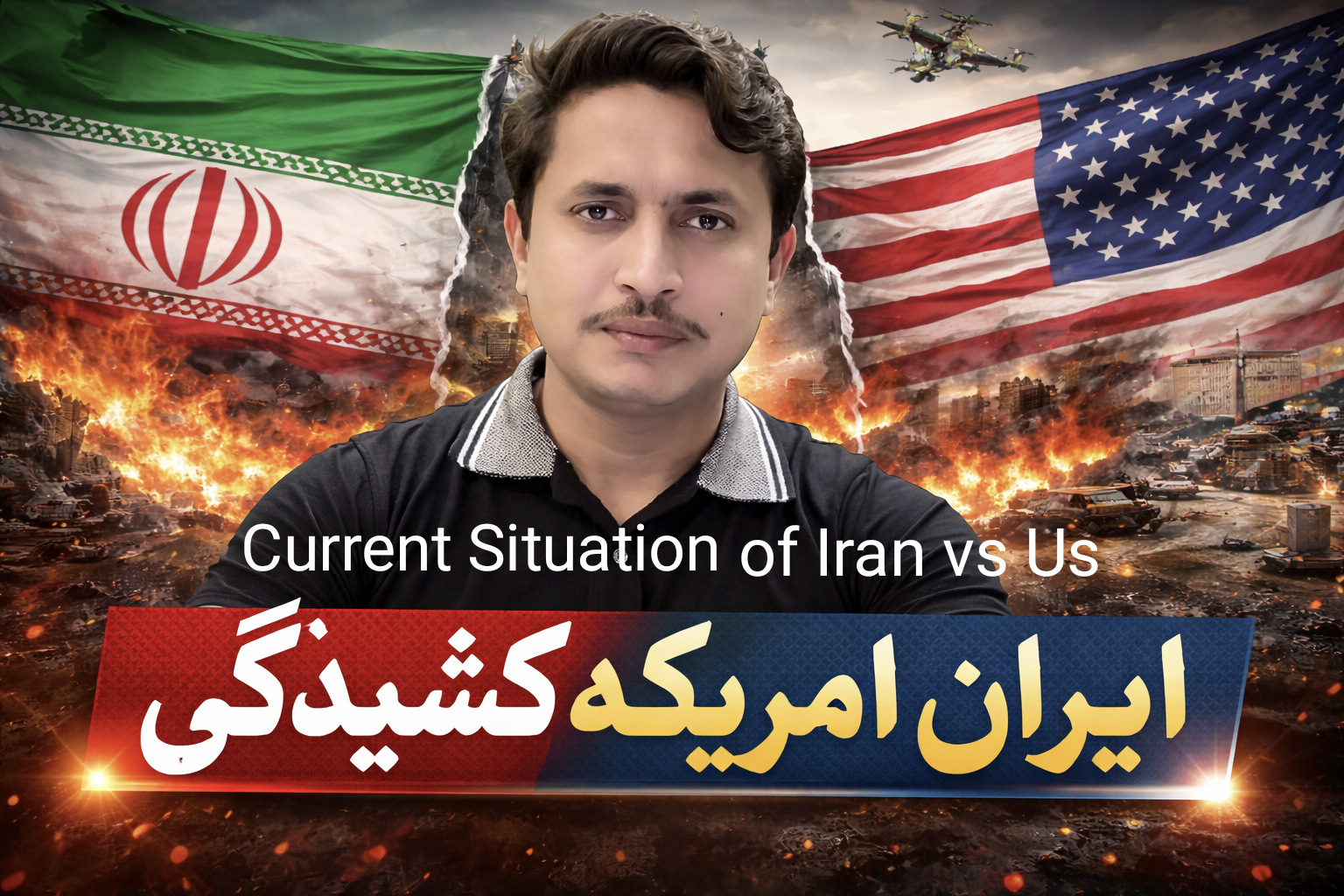
  • 🇮🇷🇺🇸 Current Situation iran(2026)

    🇮🇷🇺🇸 Current Situation iran(2026)

    🇮🇷🇺🇸 Current Situation (2026)
    Relations between Iran and United States are very tense.
    There is no final agreement yet
    Both sides have very different demands
    Indirect talks (through mediators) are ongoing
    Military pressure is still high in the region
    🔍 Key Issues in Negotiations

    1. Sanctions (Biggest Problem)
      The U.S. has placed heavy economic sanctions on Iran
      Iran demands:
      Full removal of sanctions
      Access to global trade and banking
      👉 The U.S. is not ready to remove all sanctions immediately
    2. Nuclear Program
      The U.S. wants Iran to limit or stop its nuclear program
      Iran says:
      Its program is for peaceful purposes
      It will not fully give up its nuclear capability
      👉 This is the core conflict
    3. Military Power & Missiles
      The U.S. wants restrictions on:
      Iran’s missiles
      Regional influence
      Iran refuses:
      Says defense is non-negotiable
    4. Regional Influence
      Iran is active in:
      Iraq
      Syria
      Lebanon
      The U.S. sees this as a threat
      👉 Iran sees it as strategic defense
      🔄 How Talks Are Happening
      No direct face-to-face talks
      Countries like:
      Pakistan
      Turkey
      Oman
      are acting as mediators
      👉 This is called “backchannel diplomacy”
      📊 Possible Outcomes
      ✅ 1. Limited Deal (Possible but Difficult)
      Partial sanction relief
      Iran limits some nuclear activity
      👉 This would reduce tension but not solve everything
      ⚖️ 2. Long-Term Tension (Most Likely)
      Talks continue without final agreement
      Occasional conflicts
      No full war, no full peace
      👉 This is the most realistic scenario
      🔥 3. Escalation / Conflict
      Talks fail completely
      More military actions
      Risk of a wider regional war
      👉 This is dangerous but still possible
      🌍 Global Impact
      Oil Prices
      Any conflict → oil prices increase
      Affects countries like Pakistan
      Economy
      Trade routes can be disturbed
      Inflation may rise globally
      Security
      Middle East instability affects the whole world
      🧠 Final Analysis
      Neither side wants a full-scale war
      But neither wants to fully compromise
      So the situation stays: 👉 “Controlled tension with ongoing negotiations”
      If you want, I can also explain:
      Who is stronger militarily (Iran vs U.S.)
      What impact this has on Pakistan specifically
      Or future predictions for the next 6 months
  • Death of Iran’s Supreme Leader (1939–2026)

    Death of Iran’s Supreme Leader (1939–2026)

    Death of Iran’s Supreme Leader (1939–2026)

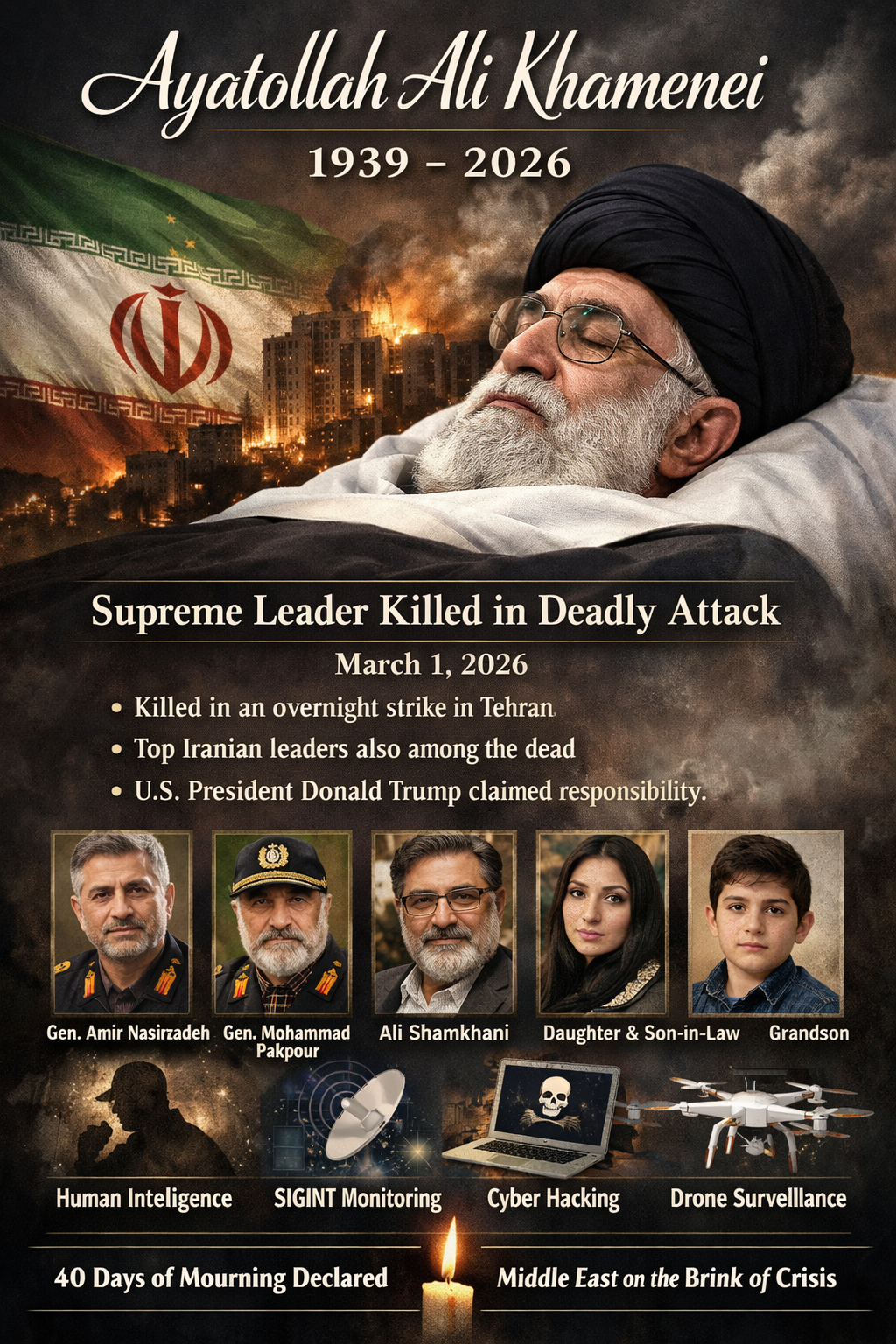
    The reported death of Ali Khamenei, the Supreme Leader of Iran, on March 1, 2026, has shaken the political landscape of the Middle East and drawn global attention. According to various reports, a powerful and highly coordinated attack occurred in the Iranian capital Tehran late at night, creating panic and uncertainty across the country.

    At 12:37 AM, former U.S. President Donald Trump reportedly claimed that the Iranian Supreme Leader had died in the strike. Initially, Iranian officials and state media remained silent, which led to widespread speculation across international media platforms. Later, Iranian authorities reportedly confirmed that the Supreme Leader had been killed during the attack.

    Senior Officials Reportedly Killed in the Attack

    According to Iranian media and several international reports, the attack also resulted in the deaths of several high-ranking Iranian officials. Among those mentioned were:

    • Amir Nasirzadeh — Iran’s Minister of Defense
    • Mohammad Pakpour — Commander of the Islamic Revolutionary Guard Corps
    • Ali Shamkhani — Senior adviser to the Supreme Leader and former Secretary of Iran’s Supreme National Security Council

    Some reports also suggested that a few members of Khamenei’s family were present during the attack and were among the casualties. These reportedly included a daughter, son-in-law, daughter-in-law, and a grandchild, although official confirmation regarding family members has remained limited.

    National Mourning and Security Situation

    Following the incident, the Iranian government declared 40 days of national mourning and announced seven days of public holidays across the country. The Islamic Revolutionary Guard Corps (IRGC) vowed to respond strongly to the attack and promised retaliation against those responsible.

    Security measures were immediately tightened in major cities, especially in Tehran. Military checkpoints were increased, and many sensitive government buildings were placed under strict protection. Reports indicated that the atmosphere among the public was tense, with many citizens worried about possible regional conflict or instability.

    International Reaction

    The international response to the incident was swift and cautious.

    • Governments in Russia and China reportedly issued condolence messages and called for restraint in the region.
    • Several Western countries and U.S. allies expressed concern that the situation could escalate into a broader geopolitical crisis.
    • Global energy markets reacted quickly, with oil prices rising due to fears that tensions around the Strait of Hormuz could disrupt global oil supply routes.

    Political analysts around the world warned that the death of Iran’s Supreme Leader could mark a major turning point in Middle Eastern geopolitics and might trigger new power struggles within Iran’s leadership structure.

    Possible Intelligence Leak Behind the Attack

    Although no official explanation has yet been confirmed, defense experts have discussed several possible intelligence scenarios that could have made such a targeted attack possible:

    Human Intelligence (HUMINT):
    Information might have been leaked by insiders who had knowledge of the Supreme Leader’s movements, schedule, or security arrangements.

    Signals Intelligence (SIGINT):
    Communication signals from mobile phones, satellite communications, or radio transmissions could have been intercepted and tracked.

    Cyber Espionage:
    Hackers might have gained access to Iranian surveillance systems, security cameras, or communication networks.

    Satellite and Drone Surveillance:
    Advanced satellite imagery or drone monitoring could have been used to track the location and confirm the results of the attack.

    Multi-Layer Intelligence Operations:
    Experts believe the attack may have relied on a combination of human sources, cyber intelligence, satellite monitoring, and electronic surveillance.

    These possibilities suggest that the operation may have been highly sophisticated and carefully coordinated.

    Life, Struggle, and Leadership of Ali Khamenei

    Ali Khamenei was born in 1939 in the city of Mashhad, one of Iran’s most important religious centers. He studied Islamic theology in the religious seminaries of Qom, where he became involved in the revolutionary movement led by Ruhollah Khomeini against the rule of the Shah.

    During the years leading up to the Iranian Revolution of 1979, Khamenei was arrested multiple times and spent periods in prison because of his political activism. After the revolution succeeded, he quickly rose within the new Islamic government.

    In 1981, he survived a serious assassination attempt during a public speech when a bomb exploded near him. The attack severely injured his right arm, leaving it permanently paralyzed. Because he survived the attempt, many supporters later referred to him as a “living martyr.”

    Later that same year, he was elected President of Iran and served two terms from 1981 to 1989. After the death of Ruhollah Khomeini in 1989, Khamenei was selected by Iran’s Assembly of Experts to become the Supreme Leader of Iran, the most powerful position in the country’s political system.

    For nearly 36 years, he remained the ultimate authority over Iran’s government, military forces, judiciary, and key national policies. His leadership period included major geopolitical tensions, including disputes with the United States, debates over Iran’s nuclear program, regional conflicts, and internal political challenges.


    Dr, Amanullah.
  • Healthy Diet Plan A Complete Guide To Better Living.

    Healthy Diet Plan A Complete Guide To Better Living.

    Healthy Diet Plan: A Complete Guide to Better Living
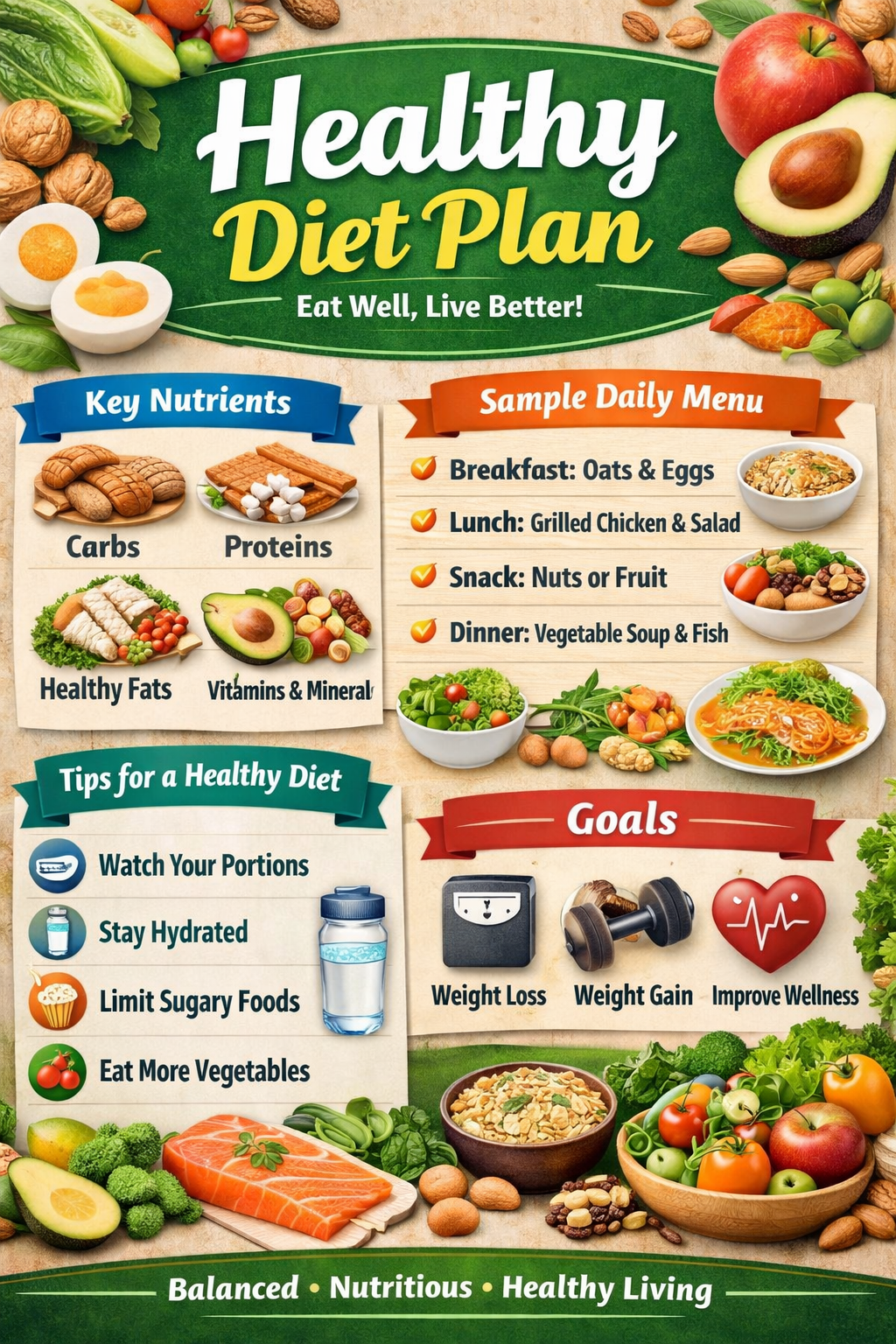
    A healthy diet plan is one of the most important foundations of a strong body and a sharp mind. The food we eat directly affects our energy levels, immune system, mental health, and overall quality of life. In today’s fast-paced world, many people rely on processed foods, sugary drinks, and irregular eating habits, which can lead to obesity, diabetes, heart disease, and other health problems. Following a balanced and well-structured diet plan can help prevent these issues and promote long-term well-being.
    What Is a Healthy Diet Plan?
    A healthy diet plan is a balanced eating pattern that provides the body with essential nutrients, including carbohydrates, proteins, healthy fats, vitamins, minerals, and water. It focuses on natural, whole foods rather than processed and junk foods. The goal is not starvation or extreme dieting, but moderation, balance, and proper portion control.
    A good diet plan should:
    Provide enough energy for daily activities
    Support growth and body repair
    Strengthen the immune system
    Maintain a healthy weight
    Reduce the risk of chronic diseases
    Essential Components of a Healthy Diet

    1. Carbohydrates (Energy Source)
      Carbohydrates are the body’s primary source of energy. However, not all carbohydrates are equal. Choose complex carbohydrates such as:
      Whole wheat bread
      Brown rice
      Oats
      Barley
      Fruits and vegetables
      Avoid refined carbohydrates like white bread, pastries, and sugary snacks. Complex carbs provide fiber, which improves digestion and keeps you full for longer.
    2. Proteins (Body Building Nutrient)
      Protein is essential for muscle growth, tissue repair, and hormone production. Healthy protein sources include:
      Eggs
      Fish
      Chicken
      Lentils (daal)
      Beans
      Chickpeas
      Yogurt
      Nuts and seeds
      Try to include protein in every meal to maintain muscle strength and prevent weakness.
    3. Healthy Fats
      Fats are necessary for brain function and vitamin absorption. Choose healthy fats such as:
      Olive oil
      Avocado
      Almonds
      Walnuts
      Flax seeds
      Fish (rich in omega-3)
      Avoid trans fats and excessive fried foods, as they increase the risk of heart disease.
    4. Vitamins and Minerals
      Vitamins and minerals are vital for immunity and overall body function. Eat a variety of colorful fruits and vegetables, such as:
      Spinach
      Carrots
      Tomatoes
      Oranges
      Apples
      Bananas
      Different colors provide different nutrients, so aim to “eat the rainbow.”
    5. Water (Hydration)
      Water is often ignored, but it is crucial for digestion, circulation, and temperature control. Drink at least 8–10 glasses of water daily. Increase intake during hot weather or exercise.
      Sample Daily Healthy Diet Plan
      Here is an example of a balanced daily meal plan:
      Breakfast
      1 boiled egg or omelet
      1 slice whole wheat bread or a bowl of oats
      1 fruit (apple or banana)
      1 cup milk or green tea
      Breakfast should be nutritious because it provides energy for the day.
      Mid-Morning Snack
      Handful of almonds or walnuts
      Fresh fruit or yogurt
      Light snacks prevent overeating at lunch.
      Lunch
      1–2 whole wheat chapatis or brown rice
      Grilled chicken or lentils
      Mixed vegetable salad
      Yogurt
      Keep lunch balanced with protein, carbs, and vegetables.
      Evening Snack
      Green tea
      Roasted chickpeas or fruit
      Avoid fried snacks and sugary drinks.
      Dinner
      Light meal such as vegetable soup
      Grilled fish or chicken
      Small portion of chapati
      Dinner should be light and eaten at least 2–3 hours before sleep.
      Tips for Maintaining a Healthy Diet
      Control Portion Size: Even healthy foods can cause weight gain if eaten in large quantities.
      Avoid Sugary Drinks: Replace soft drinks with water or fresh juices.
      Limit Salt Intake: Excess salt increases blood pressure.
      Eat Slowly: Chewing properly improves digestion and prevents overeating.
      Do Not Skip Meals: Skipping meals slows metabolism and increases cravings.
      Plan Your Meals: Weekly meal planning helps avoid junk food.
      Include Physical Activity: Combine diet with daily exercise for best results.
      Healthy Diet for Weight Loss
      If your goal is weight loss:
      Reduce portion sizes
      Increase vegetables and protein
      Avoid fried and processed foods
      Reduce sugar intake
      Walk 30 minutes daily
      Weight loss should be gradual and sustainable, not extreme.
      Healthy Diet for Weight Gain
      If you want to gain weight in a healthy way:
      Eat more frequently (5–6 meals per day)
      Add healthy calorie sources like nuts and peanut butter
      Include milk, eggs, and protein-rich foods
      Perform strength training exercises
      Avoid gaining weight through junk food, as it leads to health problems.
      Common Mistakes to Avoid
      Following crash diets
      Completely avoiding carbohydrates
      Overeating “diet” snacks
      Drinking insufficient water
      Ignoring fruits and vegetables
      A healthy diet is not about strict restrictions; it is about balance and consistency.
      Conclusion
      A healthy diet plan is a lifelong commitment to better health. It does not require expensive foods or complicated recipes. Simple home-cooked meals, fresh vegetables, whole grains, lean proteins, and adequate hydration are enough to maintain good health. By making small but consistent changes in eating habits, anyone can improve their physical strength, mental clarity, and overall quality of life.
      Remember, good health is the greatest wealth. Start today by choosing healthier foods and making smarter decisions about what you eat. Your body will thank you in the long run.
  • Importance of Health

    Importance of Health

    Health

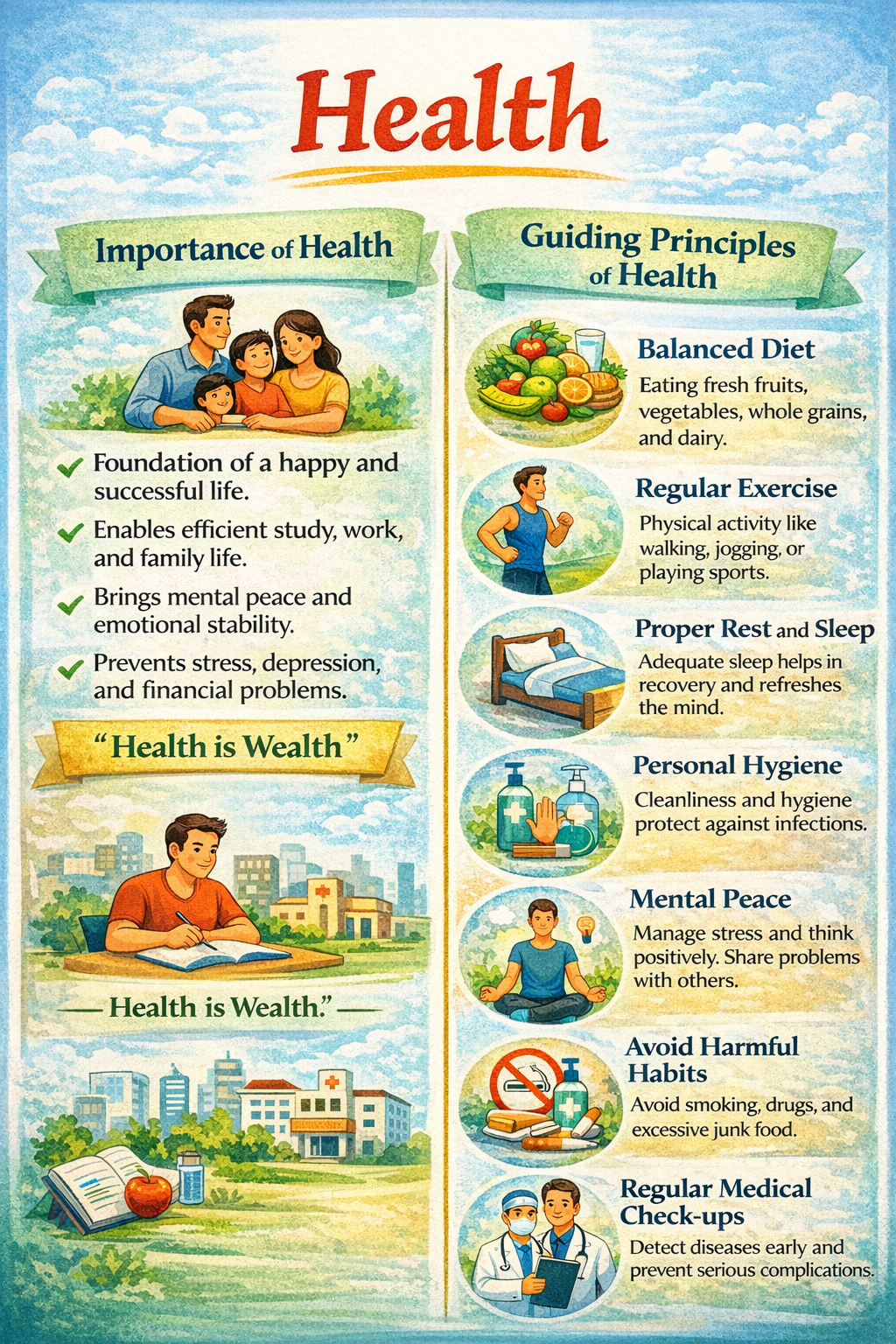
    Health is one of the most valuable assets in human life. It plays a vital role in shaping an individual’s personality, productivity, and overall quality of life. A healthy person can perform daily activities efficiently, face challenges confidently, and enjoy life to the fullest. Health is not limited to the absence of disease; rather, it is a state of complete physical, mental, and emotional well-being. Without good health, even wealth, education, and success lose their true meaning.

    Physical health is the foundation of a healthy life. It refers to the proper functioning of the human body and its systems. Maintaining physical health requires a balanced diet, regular exercise, adequate sleep, and personal hygiene. A balanced diet includes fruits, vegetables, whole grains, proteins, and dairy products that provide essential nutrients to the body. Proper nutrition strengthens the immune system and helps prevent various diseases such as obesity, diabetes, and heart problems. Regular physical activity, such as walking, jogging, cycling, or playing sports, keeps the body active, improves blood circulation, and maintains a healthy weight. Adequate rest and sleep allow the body to recover and function properly, while cleanliness and hygiene protect against infections and illnesses.

    Mental health is another important aspect of overall health. It refers to a person’s emotional and psychological well-being. A mentally healthy person can think clearly, make good decisions, manage stress, and cope with the challenges of life. In today’s fast-paced world, stress, anxiety, and depression have become common problems due to academic pressure, work stress, financial difficulties, and social issues. Poor mental health can affect concentration, relationships, and physical health. To maintain mental well-being, it is important to develop positive thinking, manage time effectively, and take breaks from routine stress. Activities such as reading, meditation, exercise, and spending time with loved ones help relax the mind. Sharing problems with friends, family, or professionals also reduces emotional burden and promotes mental peace.

    Emotional health is closely connected with mental health and plays a significant role in a person’s behavior and relationships. Emotional health means understanding, expressing, and controlling one’s emotions in a healthy way. Emotions such as happiness, anger, fear, sadness, and excitement are natural, but extreme or uncontrolled emotions can lead to problems. Emotional stability helps individuals handle difficult situations calmly and build strong social relationships. A person with good emotional health can communicate effectively, show empathy, and maintain self-confidence. Developing emotional intelligence, practicing patience, and maintaining a positive attitude are essential for emotional well-being.

    A healthy lifestyle is the key to achieving and maintaining good health. Healthy habits formed at an early age often continue throughout life. Avoiding harmful substances such as smoking, alcohol, and drugs is crucial, as they damage vital organs and lead to serious diseases. Excessive consumption of junk food and sugary drinks also negatively affects health. Instead, people should adopt healthy eating habits and drink plenty of water. Regular health check-ups help detect diseases at an early stage and prevent complications. Maintaining cleanliness at home and in the surrounding environment reduces the spread of infectious diseases and promotes community health.

    Health is closely linked to productivity and success. A healthy individual can study effectively, work efficiently, and contribute positively to society. On the other hand, poor health limits physical and mental abilities, causing stress and financial burden. Medical expenses, loss of working days, and reduced efficiency affect not only individuals but also families and the economy. Therefore, governments and societies must prioritize healthcare services, promote health awareness, and provide access to clean water, proper sanitation, and medical facilities.

    In modern times, technological advancement has made life easier, but it has also created health challenges. Lack of physical activity, long screen time, and unhealthy eating habits have increased lifestyle-related diseases. People spend more time on mobile phones and computers, which affects posture, eyesight, and mental health. To counter these effects, individuals must balance technology use with physical activity and social interaction. Encouraging outdoor activities and healthy routines is essential for overall well-being.

    In conclusion, health is the true wealth of life. Without good health, happiness and success remain incomplete. Physical, mental, and emotional health together form a balanced and fulfilling life. Every individual has a responsibility to take care of their health by adopting a healthy lifestyle, avoiding harmful habits, and maintaining a positive outlook. Societies and governments must also work together to promote health awareness and provide quality healthcare facilities. By valuing health and making it a priority, people can lead a longer, happier, and more productive life. Dr,Amanullah

  • Hello world!

    Welcome to WordPress. This is your first post. Edit or delete it, then start writing!