Author: designarena.pk@gmail.com

  • Healthy Diet Plan A Complete Guide To Better Living.

    Healthy Diet Plan A Complete Guide To Better Living.

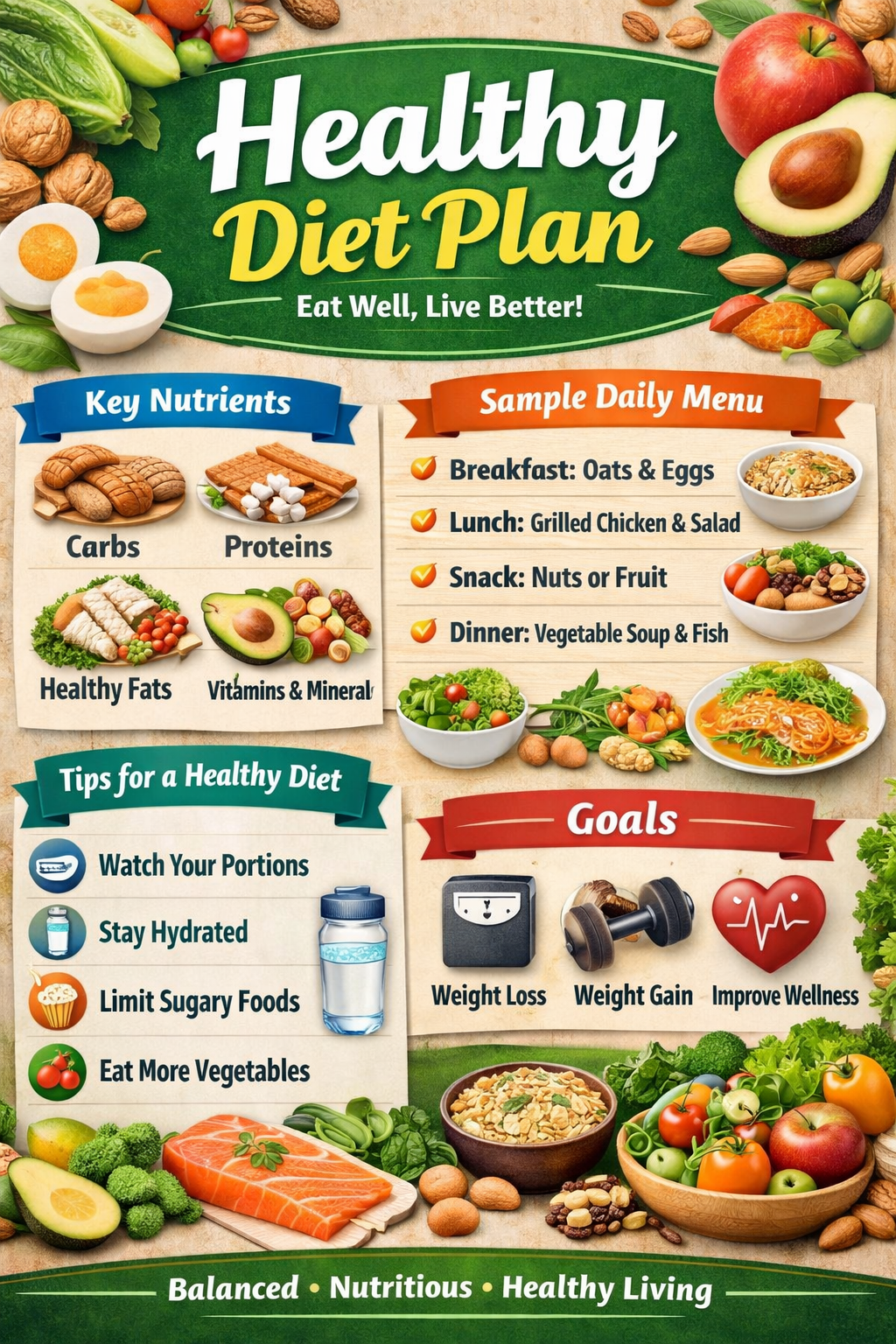
    Healthy Diet Plan: A Complete Guide to Better Living
    A healthy diet plan is one of the most important foundations of a strong body and a sharp mind. The food we eat directly affects our energy levels, immune system, mental health, and overall quality of life. In today’s fast-paced world, many people rely on processed foods, sugary drinks, and irregular eating habits, which can lead to obesity, diabetes, heart disease, and other health problems. Following a balanced and well-structured diet plan can help prevent these issues and promote long-term well-being.
    What Is a Healthy Diet Plan?
    A healthy diet plan is a balanced eating pattern that provides the body with essential nutrients, including carbohydrates, proteins, healthy fats, vitamins, minerals, and water. It focuses on natural, whole foods rather than processed and junk foods. The goal is not starvation or extreme dieting, but moderation, balance, and proper portion control.
    A good diet plan should:
    Provide enough energy for daily activities
    Support growth and body repair
    Strengthen the immune system
    Maintain a healthy weight
    Reduce the risk of chronic diseases
    Essential Components of a Healthy Diet

    1. Carbohydrates (Energy Source)
      Carbohydrates are the body’s primary source of energy. However, not all carbohydrates are equal. Choose complex carbohydrates such as:
      Whole wheat bread
      Brown rice
      Oats
      Barley
      Fruits and vegetables
      Avoid refined carbohydrates like white bread, pastries, and sugary snacks. Complex carbs provide fiber, which improves digestion and keeps you full for longer.
    2. Proteins (Body Building Nutrient)
      Protein is essential for muscle growth, tissue repair, and hormone production. Healthy protein sources include:
      Eggs
      Fish
      Chicken
      Lentils (daal)
      Beans
      Chickpeas
      Yogurt
      Nuts and seeds
      Try to include protein in every meal to maintain muscle strength and prevent weakness.
    3. Healthy Fats
      Fats are necessary for brain function and vitamin absorption. Choose healthy fats such as:
      Olive oil
      Avocado
      Almonds
      Walnuts
      Flax seeds
      Fish (rich in omega-3)
      Avoid trans fats and excessive fried foods, as they increase the risk of heart disease.
    4. Vitamins and Minerals
      Vitamins and minerals are vital for immunity and overall body function. Eat a variety of colorful fruits and vegetables, such as:
      Spinach
      Carrots
      Tomatoes
      Oranges
      Apples
      Bananas
      Different colors provide different nutrients, so aim to “eat the rainbow.”
    5. Water (Hydration)
      Water is often ignored, but it is crucial for digestion, circulation, and temperature control. Drink at least 8–10 glasses of water daily. Increase intake during hot weather or exercise.
      Sample Daily Healthy Diet Plan
      Here is an example of a balanced daily meal plan:
      Breakfast
      1 boiled egg or omelet
      1 slice whole wheat bread or a bowl of oats
      1 fruit (apple or banana)
      1 cup milk or green tea
      Breakfast should be nutritious because it provides energy for the day.
      Mid-Morning Snack
      Handful of almonds or walnuts
      Fresh fruit or yogurt
      Light snacks prevent overeating at lunch.
      Lunch
      1–2 whole wheat chapatis or brown rice
      Grilled chicken or lentils
      Mixed vegetable salad
      Yogurt
      Keep lunch balanced with protein, carbs, and vegetables.
      Evening Snack
      Green tea
      Roasted chickpeas or fruit
      Avoid fried snacks and sugary drinks.
      Dinner
      Light meal such as vegetable soup
      Grilled fish or chicken
      Small portion of chapati
      Dinner should be light and eaten at least 2–3 hours before sleep.
      Tips for Maintaining a Healthy Diet
      Control Portion Size: Even healthy foods can cause weight gain if eaten in large quantities.
      Avoid Sugary Drinks: Replace soft drinks with water or fresh juices.
      Limit Salt Intake: Excess salt increases blood pressure.
      Eat Slowly: Chewing properly improves digestion and prevents overeating.
      Do Not Skip Meals: Skipping meals slows metabolism and increases cravings.
      Plan Your Meals: Weekly meal planning helps avoid junk food.
      Include Physical Activity: Combine diet with daily exercise for best results.
      Healthy Diet for Weight Loss
      If your goal is weight loss:
      Reduce portion sizes
      Increase vegetables and protein
      Avoid fried and processed foods
      Reduce sugar intake
      Walk 30 minutes daily
      Weight loss should be gradual and sustainable, not extreme.
      Healthy Diet for Weight Gain
      If you want to gain weight in a healthy way:
      Eat more frequently (5–6 meals per day)
      Add healthy calorie sources like nuts and peanut butter
      Include milk, eggs, and protein-rich foods
      Perform strength training exercises
      Avoid gaining weight through junk food, as it leads to health problems.
      Common Mistakes to Avoid
      Following crash diets
      Completely avoiding carbohydrates
      Overeating “diet” snacks
      Drinking insufficient water
      Ignoring fruits and vegetables
      A healthy diet is not about strict restrictions; it is about balance and consistency.
      Conclusion
      A healthy diet plan is a lifelong commitment to better health. It does not require expensive foods or complicated recipes. Simple home-cooked meals, fresh vegetables, whole grains, lean proteins, and adequate hydration are enough to maintain good health. By making small but consistent changes in eating habits, anyone can improve their physical strength, mental clarity, and overall quality of life.
      Remember, good health is the greatest wealth. Start today by choosing healthier foods and making smarter decisions about what you eat. Your body will thank you in the long run.
  • Importance of Health

    Importance of Health

    Health

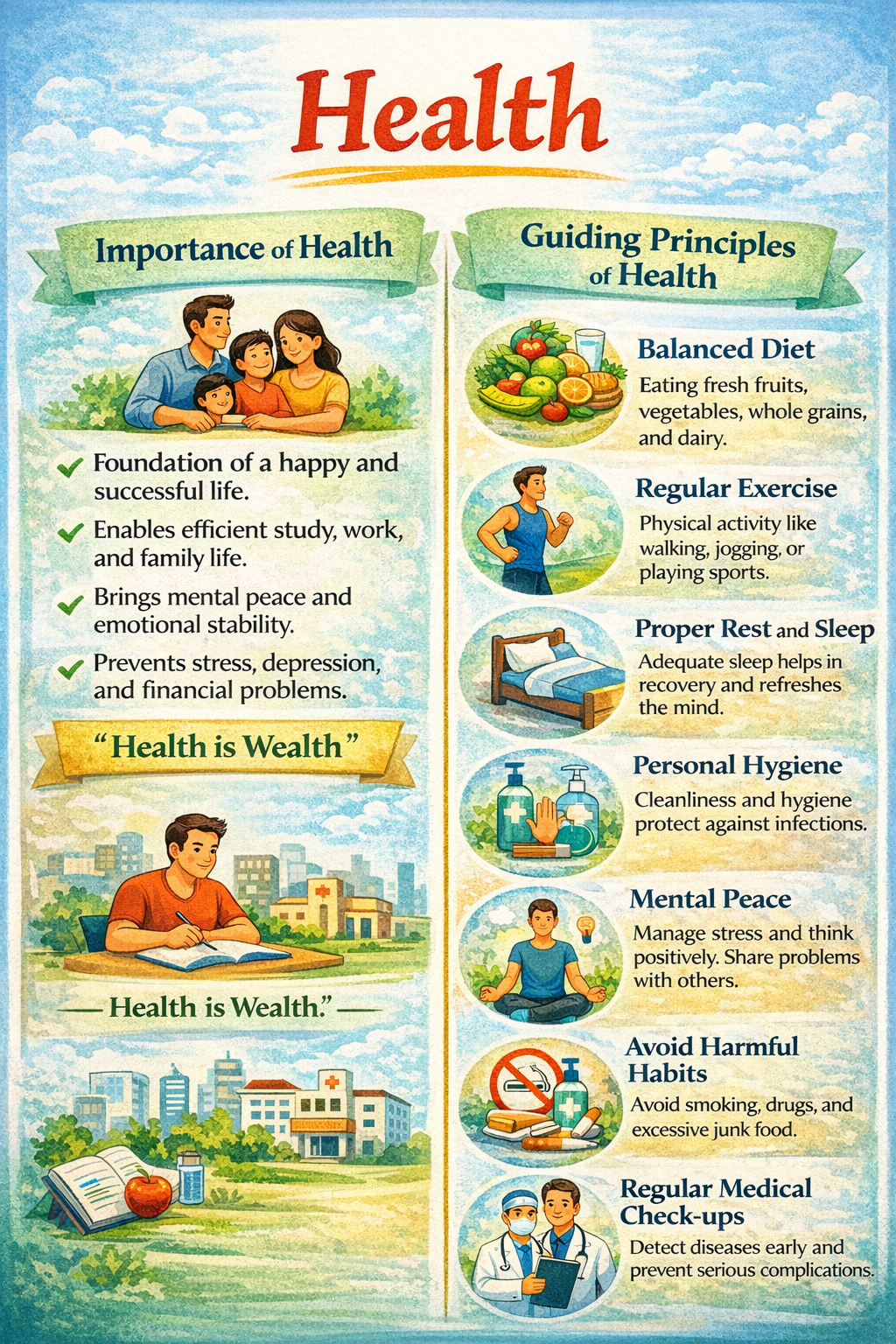
    Health is one of the most valuable assets in human life. It plays a vital role in shaping an individual’s personality, productivity, and overall quality of life. A healthy person can perform daily activities efficiently, face challenges confidently, and enjoy life to the fullest. Health is not limited to the absence of disease; rather, it is a state of complete physical, mental, and emotional well-being. Without good health, even wealth, education, and success lose their true meaning.

    Physical health is the foundation of a healthy life. It refers to the proper functioning of the human body and its systems. Maintaining physical health requires a balanced diet, regular exercise, adequate sleep, and personal hygiene. A balanced diet includes fruits, vegetables, whole grains, proteins, and dairy products that provide essential nutrients to the body. Proper nutrition strengthens the immune system and helps prevent various diseases such as obesity, diabetes, and heart problems. Regular physical activity, such as walking, jogging, cycling, or playing sports, keeps the body active, improves blood circulation, and maintains a healthy weight. Adequate rest and sleep allow the body to recover and function properly, while cleanliness and hygiene protect against infections and illnesses.

    Mental health is another important aspect of overall health. It refers to a person’s emotional and psychological well-being. A mentally healthy person can think clearly, make good decisions, manage stress, and cope with the challenges of life. In today’s fast-paced world, stress, anxiety, and depression have become common problems due to academic pressure, work stress, financial difficulties, and social issues. Poor mental health can affect concentration, relationships, and physical health. To maintain mental well-being, it is important to develop positive thinking, manage time effectively, and take breaks from routine stress. Activities such as reading, meditation, exercise, and spending time with loved ones help relax the mind. Sharing problems with friends, family, or professionals also reduces emotional burden and promotes mental peace.

    Emotional health is closely connected with mental health and plays a significant role in a person’s behavior and relationships. Emotional health means understanding, expressing, and controlling one’s emotions in a healthy way. Emotions such as happiness, anger, fear, sadness, and excitement are natural, but extreme or uncontrolled emotions can lead to problems. Emotional stability helps individuals handle difficult situations calmly and build strong social relationships. A person with good emotional health can communicate effectively, show empathy, and maintain self-confidence. Developing emotional intelligence, practicing patience, and maintaining a positive attitude are essential for emotional well-being.

    A healthy lifestyle is the key to achieving and maintaining good health. Healthy habits formed at an early age often continue throughout life. Avoiding harmful substances such as smoking, alcohol, and drugs is crucial, as they damage vital organs and lead to serious diseases. Excessive consumption of junk food and sugary drinks also negatively affects health. Instead, people should adopt healthy eating habits and drink plenty of water. Regular health check-ups help detect diseases at an early stage and prevent complications. Maintaining cleanliness at home and in the surrounding environment reduces the spread of infectious diseases and promotes community health.

    Health is closely linked to productivity and success. A healthy individual can study effectively, work efficiently, and contribute positively to society. On the other hand, poor health limits physical and mental abilities, causing stress and financial burden. Medical expenses, loss of working days, and reduced efficiency affect not only individuals but also families and the economy. Therefore, governments and societies must prioritize healthcare services, promote health awareness, and provide access to clean water, proper sanitation, and medical facilities.

    In modern times, technological advancement has made life easier, but it has also created health challenges. Lack of physical activity, long screen time, and unhealthy eating habits have increased lifestyle-related diseases. People spend more time on mobile phones and computers, which affects posture, eyesight, and mental health. To counter these effects, individuals must balance technology use with physical activity and social interaction. Encouraging outdoor activities and healthy routines is essential for overall well-being.

    In conclusion, health is the true wealth of life. Without good health, happiness and success remain incomplete. Physical, mental, and emotional health together form a balanced and fulfilling life. Every individual has a responsibility to take care of their health by adopting a healthy lifestyle, avoiding harmful habits, and maintaining a positive outlook. Societies and governments must also work together to promote health awareness and provide quality healthcare facilities. By valuing health and making it a priority, people can lead a longer, happier, and more productive life. Dr,Amanullah

  • Hello world!

    Welcome to WordPress. This is your first post. Edit or delete it, then start writing!