ایران اور امریکہ کے درمیان سیز فائر (Ceasefire) کا موضوع عالمی سیاست، مشرقِ وسطیٰ کی صورتحال اور بین الاقوامی امن کے حوالے سے نہایت اہمیت کا حامل ہے۔ یہ تعلقات کئی دہائیوں سے کشیدگی، تنازعات اور پراکسی جنگوں کا شکار رہے ہیں، لیکن سیز فائر کی کوئی بھی پیش رفت نہ صرف دونوں ممالک بلکہ پوری دنیا کے لیے ایک مثبت قدم ثابت ہو سکتی ہے۔
ایران اور امریکہ کے تعلقات کی بنیاد 1979 کے اسلامی انقلاب کے بعد سے کشیدہ رہی ہے۔ اس انقلاب کے نتیجے میں ایران میں ایک اسلامی حکومت قائم ہوئی جس نے امریکہ کے اثر و رسوخ کو مسترد کر دیا۔ اس کے بعد تہران میں امریکی سفارت خانے پر قبضہ اور سفارت کاروں کو یرغمال بنانے جیسے واقعات نے دونوں ممالک کے درمیان دشمنی کو مزید بڑھا دیا۔ وقت گزرنے کے ساتھ ساتھ یہ کشیدگی مختلف شکلوں میں سامنے آتی رہی، جن میں اقتصادی پابندیاں، فوجی دھمکیاں اور خطے میں اثر و رسوخ کی جنگ شامل ہیں۔
مشرقِ وسطیٰ میں ایران اور امریکہ کے مفادات ایک دوسرے کے برعکس ہیں۔ امریکہ اسرائیل اور خلیجی ممالک کا حامی ہے، جبکہ ایران خطے میں اپنے اتحادی گروہوں جیسے حزب اللہ اور دیگر ملیشیاز کی حمایت کرتا ہے۔ اس صورتحال نے شام، عراق اور یمن جیسے ممالک کو میدانِ جنگ بنا دیا ہے جہاں دونوں طاقتیں براہ راست یا بالواسطہ طور پر آمنے سامنے رہی ہیں۔
ایسے حالات میں سیز فائر کی کوششیں ہمیشہ عالمی برادری کی توجہ کا مرکز رہی ہیں۔ سیز فائر کا مطلب صرف جنگ بندی نہیں بلکہ کشیدگی میں کمی، مذاکرات کا آغاز اور اعتماد سازی کے اقدامات بھی شامل ہوتے ہیں۔ ایران اور امریکہ کے درمیان اگر کوئی مؤثر سیز فائر ہوتا ہے تو اس کے کئی مثبت اثرات مرتب ہو سکتے ہیں۔
سب سے پہلے، خطے میں امن و استحکام کی فضا قائم ہو سکتی ہے۔ مشرقِ وسطیٰ ایک طویل عرصے سے جنگوں اور تنازعات کا شکار ہے جس کی وجہ سے لاکھوں افراد متاثر ہوئے ہیں۔ سیز فائر سے نہ صرف جنگی کارروائیاں رک سکتی ہیں بلکہ انسانی بحران میں بھی کمی آ سکتی ہے۔
دوسرا اہم فائدہ عالمی معیشت پر پڑے گا۔ خلیج فارس دنیا کی توانائی کی سپلائی کا ایک بڑا مرکز ہے۔ ایران اور امریکہ کے درمیان کشیدگی کی وجہ سے تیل کی قیمتوں میں اتار چڑھاؤ آتا رہتا ہے۔ اگر سیز فائر ہوتا ہے تو تیل کی مارکیٹ میں استحکام آئے گا جس کا فائدہ پوری دنیا کو ہوگا۔
تیسرا پہلو سفارتی تعلقات کی بحالی ہے۔ سیز فائر کے بعد مذاکرات کا دروازہ کھل سکتا ہے جس کے ذریعے دونوں ممالک اپنے مسائل کو بات چیت کے ذریعے حل کرنے کی کوشش کر سکتے ہیں۔ ماضی میں جوہری معاہدہ (JCPOA) اس کی ایک مثال ہے جس نے کچھ عرصے کے لیے کشیدگی کو کم کیا تھا۔
تاہم، سیز فائر کے راستے میں کئی چیلنجز بھی موجود ہیں۔ دونوں ممالک کے درمیان اعتماد کا فقدان ایک بڑی رکاوٹ ہے۔ امریکہ ایران کے جوہری پروگرام اور خطے میں اس کے کردار پر تحفظات رکھتا ہے، جبکہ ایران امریکی پابندیوں اور مداخلت کو اپنی خودمختاری کے خلاف سمجھتا ہے۔
اس کے علاوہ، خطے کے دیگر ممالک اور غیر ریاستی عناصر بھی اس عمل کو متاثر کر سکتے ہیں۔ اسرائیل، سعودی عرب اور دیگر خلیجی ممالک ایران کے بڑھتے ہوئے اثر و رسوخ سے پریشان ہیں، جبکہ ایران اپنے اتحادی گروہوں کے ذریعے خطے میں اپنی پوزیشن مضبوط بنائے رکھنا چاہتا ہے۔
ایک اور اہم پہلو داخلی سیاست ہے۔ امریکہ اور ایران دونوں میں سیاسی قیادت اور عوامی رائے سیز فائر کے حوالے سے مختلف ہو سکتی ہے۔ بعض حلقے اسے کمزوری سمجھ سکتے ہیں جبکہ کچھ اسے امن کی جانب ایک مثبت قدم قرار دیں گے۔
اس کے باوجود، سیز فائر کی اہمیت سے انکار نہیں کیا جا سکتا۔ دنیا اس وقت مختلف بحرانوں کا سامنا کر رہی ہے اور ایسے میں بڑی طاقتوں کے درمیان کشیدگی میں کمی عالمی امن کے لیے ضروری ہے۔ ایران اور امریکہ اگر سنجیدگی کے ساتھ مذاکرات کریں اور ایک دوسرے کے تحفظات کو سمجھنے کی کوشش کریں تو ایک پائیدار سیز فائر ممکن ہو سکتا ہے۔
آخر میں یہ کہا جا سکتا ہے کہ ایران اور امریکہ کے درمیان سیز فائر نہ صرف دو ممالک کے تعلقات میں بہتری لا سکتا ہے بلکہ پورے خطے اور دنیا کے لیے امن، استحکام اور ترقی کی نئی راہیں کھول سکتا ہے۔ یہ ایک مشکل لیکن ضروری قدم ہے جس کے لیے صبر، حکمت اور سنجیدہ سفارت کاری کی ضرورت ہے۔
Category: Uncategorized
-
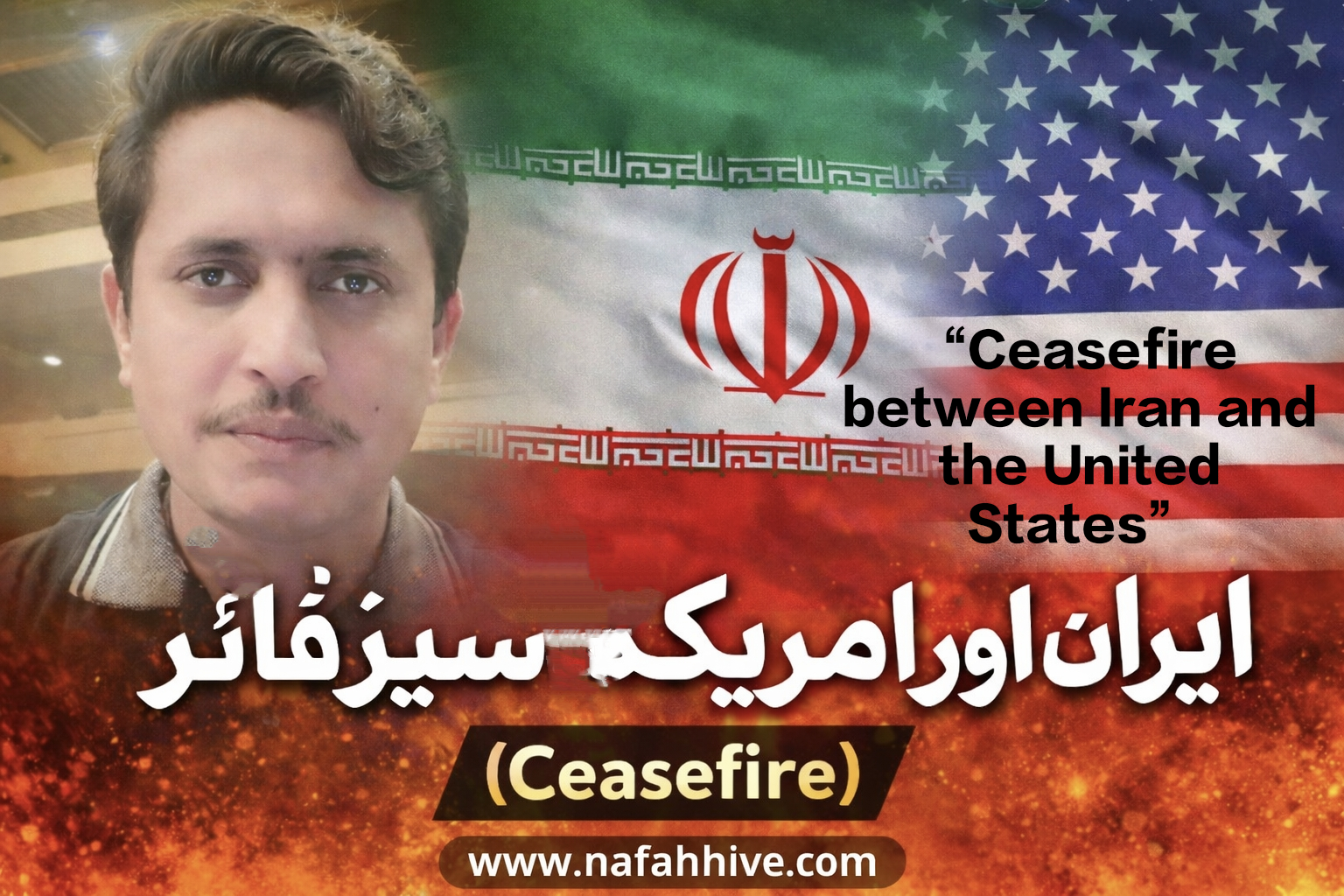
ایران اور امریکہ کے درمیان بوجہ پاکستان سیز فائر (Ceasefire)
-
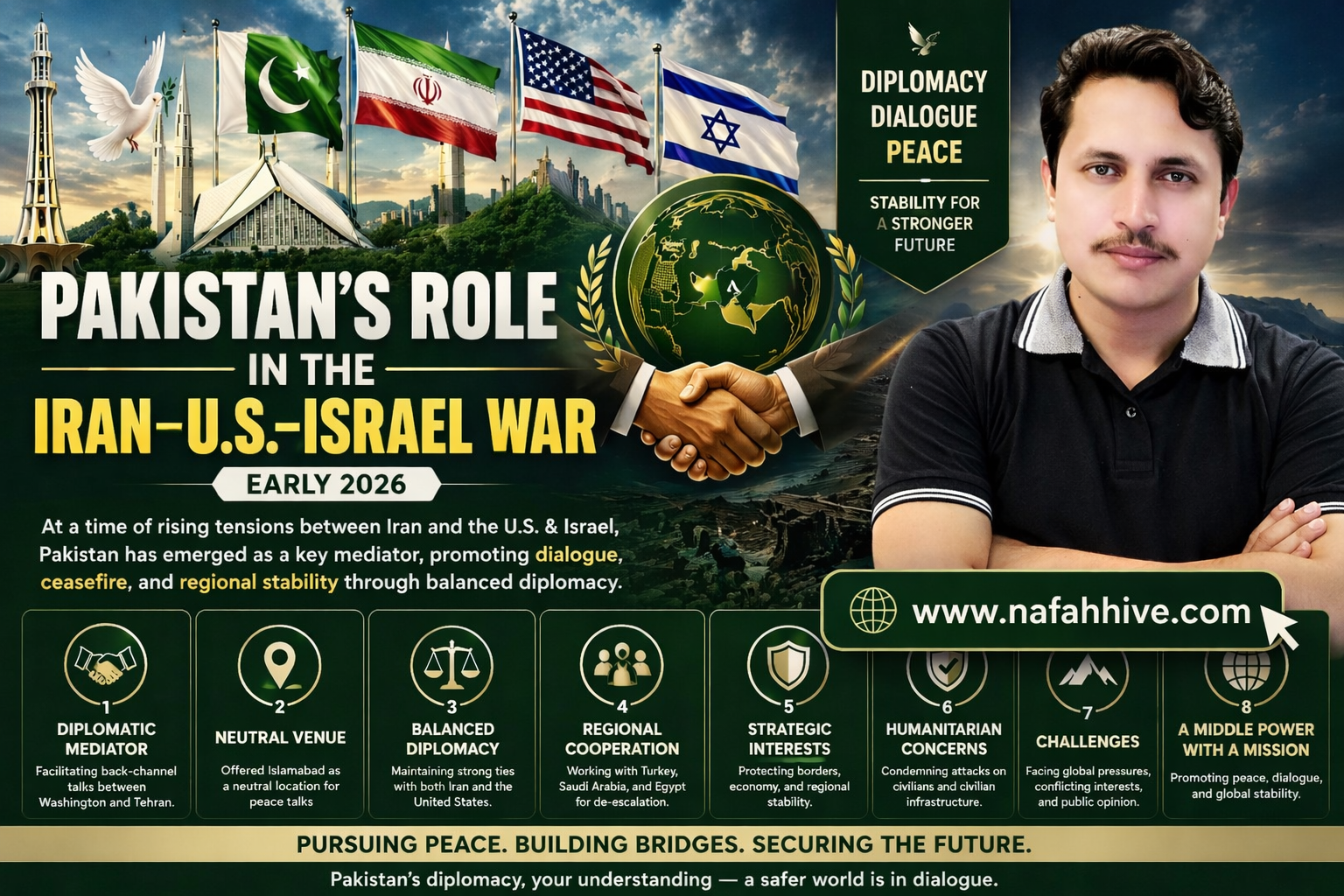
Pakistan’s Role in the Iran–U.S.–Israel War (2026) With Dr,Amanullah
Pakistan’s Role in the Iran–U.S.–Israel War (Early 2026)
The military tensions between Iran and the alliance of United States and Israel in early 2026 created a dangerous situation in the Middle East. The conflict involved airstrikes, military deployments in the Gulf region, and strong diplomatic reactions from many countries. In this tense environment, Pakistan emerged as an important diplomatic actor attempting to reduce tensions and prevent the conflict from expanding into a wider regional war. Pakistan’s role has mainly focused on mediation, diplomatic balancing, regional cooperation, and protecting its own strategic interests.- Pakistan as a Diplomatic Mediator
One of Pakistan’s most significant roles in the conflict has been mediation. Pakistan has tried to act as a bridge between the opposing sides by encouraging dialogue and communication. The government led by Shehbaz Sharif has actively called for calm and negotiations rather than further military escalation.
Reports indicate that Pakistan helped facilitate back-channel communications between leaders in Washington, D.C. and Tehran. These unofficial diplomatic channels are important because they allow countries to exchange proposals without public pressure. By helping to keep communication open, Pakistan attempted to reduce misunderstandings and encourage a peaceful solution.
Pakistan also proposed the idea of a temporary ceasefire to give diplomacy a chance. A two-week ceasefire proposal was suggested to both sides so that negotiations could begin and the immediate violence could be paused. This initiative highlighted Pakistan’s desire to prevent further destruction and instability in the region. - Offering Islamabad as a Neutral Venue
Another major diplomatic step taken by Pakistan was offering its capital, Islamabad, as a neutral location for peace talks. Neutral venues are often used in international diplomacy because they provide a safe and politically balanced environment where opposing parties can negotiate.
By offering Islamabad as a host for negotiations, Pakistan signaled that it was willing to play a constructive role in resolving the crisis. Hosting such talks would not only help the peace process but would also enhance Pakistan’s global diplomatic standing as a responsible middle power capable of facilitating dialogue during major international conflicts. - Maintaining a Careful Diplomatic Balance
Pakistan’s approach to the conflict reflects a careful balancing act. On one hand, Pakistan maintains historical and cultural ties with Iran due to geographic proximity and regional cooperation. On the other hand, Pakistan also has long-standing strategic and economic relations with the United States.
Because of these relationships, Pakistan has tried to remain relatively neutral while advocating for peace. Instead of supporting military actions by either side, Pakistan has consistently emphasized diplomacy and de-escalation. This balanced approach allows Pakistan to maintain relations with both sides while still promoting stability.
Pakistan’s neutral stance is also supported by the fact that it does not host permanent American military bases on its territory. This helps Islamabad maintain credibility as a mediator rather than appearing aligned with one side of the conflict. - Cooperation with Regional Powers
Pakistan has not acted alone in its diplomatic efforts. It has coordinated with several other influential Muslim-majority and regional states to reduce tensions. Countries such as Turkey, Saudi Arabia, and Egypt have also called for restraint and dialogue.
Through diplomatic meetings and joint statements, these countries have encouraged negotiations and warned against further escalation. Such regional cooperation is important because Middle Eastern conflicts often have widespread political, economic, and security consequences for neighboring countries.
Pakistan’s collaboration with these states reflects its broader foreign policy goal of strengthening cooperation within the Muslim world and promoting collective diplomatic efforts during crises. - Strategic Interests and Security Concerns
Pakistan’s involvement in the conflict is not only motivated by diplomacy but also by its own national interests. Pakistan shares a long border with Iran, which means instability in Iran could directly affect Pakistan’s security.
A prolonged war could lead to several challenges for Pakistan, including refugee flows, border security problems, and economic disruptions. Additionally, conflict in the Persian Gulf could affect global oil supplies and trade routes, which would have serious economic consequences for Pakistan and other countries.
Pakistan is therefore strongly interested in preventing the conflict from expanding. Maintaining regional stability helps protect Pakistan’s economy, security, and domestic political environment. - Official Condemnation of Military Attacks
While maintaining diplomatic neutrality, Pakistan has also expressed clear concerns about the humanitarian impact of the conflict. Pakistani officials have condemned attacks on civilian infrastructure and emphasized the need to protect innocent lives.
Pakistan has particularly criticized military actions that target civilian areas, including hospitals, schools, and energy facilities. According to Pakistani diplomats at international forums, such attacks violate international law and threaten regional peace.
By raising these concerns in diplomatic forums such as the United Nations, Pakistan has tried to highlight the importance of international law and humanitarian principles. - The Challenges Facing Pakistan’s Diplomacy
Despite its efforts, Pakistan’s diplomatic mission faces many challenges. The military confrontation between Iran and the U.S.–Israel alliance involves complex strategic interests, and tensions have continued to rise due to ongoing airstrikes and military deployments.
Another challenge is that global powers and regional actors often have conflicting objectives. While some countries seek immediate ceasefires, others may prioritize strategic military goals. These differences make mediation extremely difficult.
Furthermore, public opinion in many Muslim-majority countries strongly supports Iran against Israeli attacks, which adds political pressure on governments trying to remain neutral and diplomatic. - Pakistan as a Middle Power in Global Diplomacy
Pakistan’s role in this crisis reflects a broader trend in international politics where middle powers play an increasing role in conflict mediation. Instead of major powers dominating diplomacy, countries like Pakistan can act as bridges between rival states.
Pakistan’s diplomatic engagement in the Iran-U.S.–Israel conflict demonstrates its attempt to position itself as a responsible global actor. By encouraging dialogue, promoting ceasefires, and cooperating with regional partners, Pakistan seeks to contribute to global peace and stability.
Conclusion
In conclusion, Pakistan’s role in the Iran–U.S.–Israel conflict in early 2026 has primarily focused on diplomacy and mediation. By encouraging dialogue, proposing ceasefires, offering to host peace talks in Islamabad, and working with regional partners, Pakistan has attempted to reduce tensions and prevent a wider war.
Pakistan’s actions highlight the importance of diplomacy during times of international crisis. Although challenges remain and the conflict continues to evolve, Pakistan’s efforts show how constructive engagement and balanced diplomacy can contribute to the search for peace in a highly volatile region.
Dr,Amanullah
- Pakistan as a Diplomatic Mediator
-
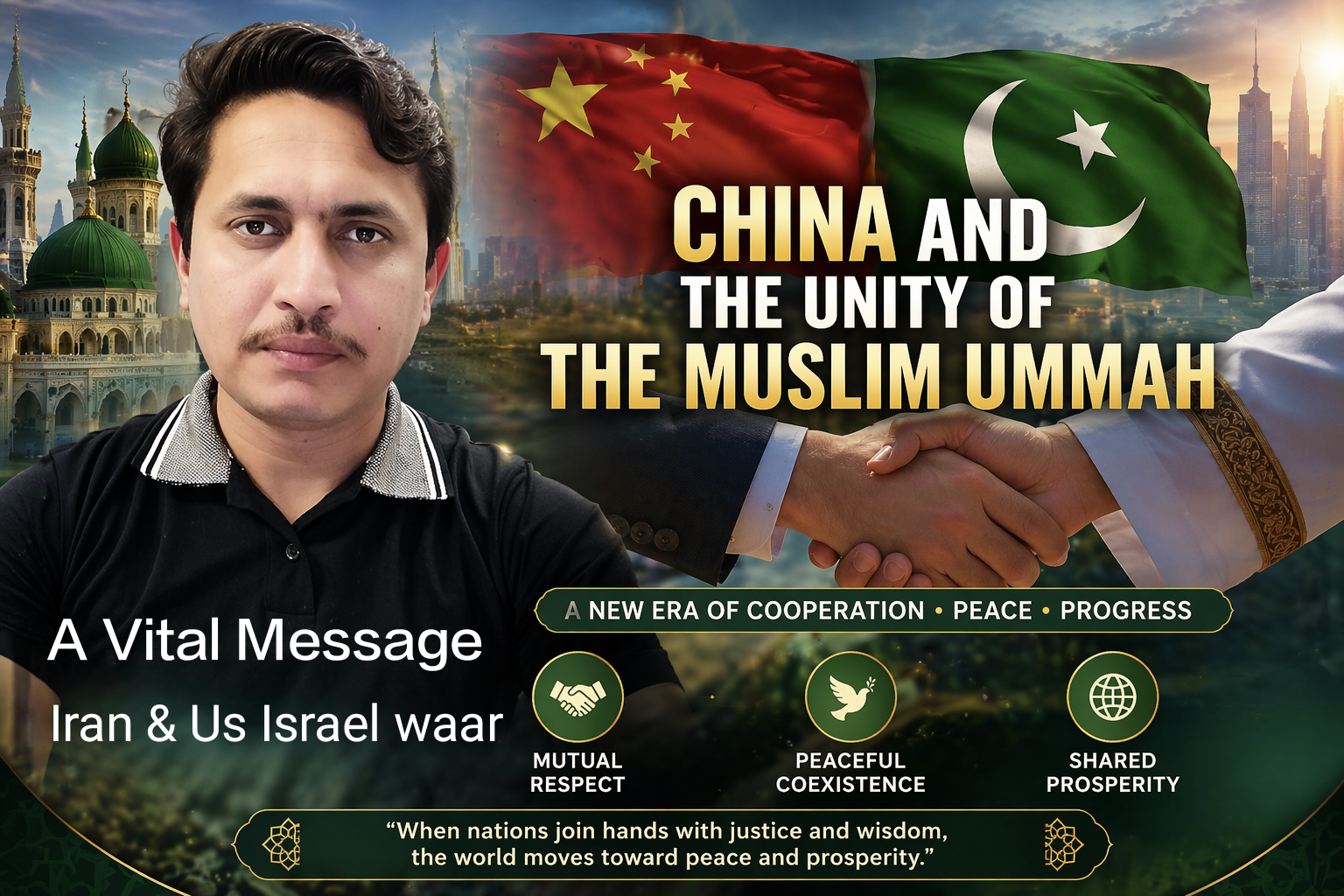
China And Ummah Musilma Big Demand, Iran & Us isreel Waar
چین کا مؤقف اور اُمتِ مسلمہ کا اتحاد
حالیہ عرصے میں عالمی سیاست میں کئی ایسے بیانات اور واقعات سامنے آئے ہیں جنہوں نے دنیا بھر کے مسلمانوں کی توجہ اپنی طرف مبذول کرائی ہے۔ ان میں ایک خبر یہ بھی زیرِ بحث آئی کہ چین نے اسرائیل سے متعلق سخت مؤقف اختیار کرتے ہوئے جنگ کو روکنے اور خطے میں امن قائم کرنے کی بات کی۔ یہ معاملہ صرف ایک سیاسی بیان نہیں بلکہ عالمی سطح پر انصاف، امن اور انسانی حقوق کے حوالے سے ایک بڑی بحث کا حصہ ہے۔ اس تناظر میں اُمتِ مسلمہ کے اتحاد کی ضرورت پہلے سے کہیں زیادہ اہم نظر آتی ہے۔
دنیا میں تقریباً دو ارب مسلمان بستے ہیں جو مختلف ممالک، ثقافتوں اور زبانوں سے تعلق رکھتے ہیں۔ اگرچہ ان کی جغرافیائی اور سیاسی صورتحال مختلف ہے، لیکن دینِ اسلام انہیں ایک مضبوط رشتے میں باندھتا ہے۔ قرآنِ کریم میں بھی مسلمانوں کو اتحاد اور بھائی چارے کی تلقین کی گئی ہے۔ اللہ تعالیٰ فرماتا ہے کہ “اور سب مل کر اللہ کی رسی کو مضبوطی سے تھام لو اور تفرقہ میں نہ پڑو۔” یہی پیغام اُمتِ مسلمہ کے لیے بنیادی رہنمائی فراہم کرتا ہے۔
عالمی سطح پر فلسطین کا مسئلہ مسلمانوں کے لیے ایک اہم اور حساس موضوع ہے۔ فلسطینی عوام کئی دہائیوں سے مشکلات اور تنازعات کا سامنا کر رہے ہیں۔ اس مسئلے نے نہ صرف مشرقِ وسطیٰ بلکہ پوری دنیا کی سیاست کو متاثر کیا ہے۔ مختلف ممالک اس معاملے پر مختلف مؤقف رکھتے ہیں۔ بعض ممالک اسرائیل کی حمایت کرتے ہیں جبکہ بعض فلسطینیوں کے حقِ خود ارادیت کی بات کرتے ہیں۔ ایسے ماحول میں اگر کوئی بڑی طاقت امن اور جنگ کے خاتمے کی بات کرتی ہے تو یہ عالمی توجہ کا مرکز بن جاتی ہے۔
چین ایک بڑی عالمی طاقت ہے جس کا اثر و رسوخ سیاسی، معاشی اور سفارتی میدانوں میں تیزی سے بڑھ رہا ہے۔ چین اکثر یہ مؤقف اختیار کرتا ہے کہ عالمی تنازعات کو مذاکرات اور سفارت کاری کے ذریعے حل کیا جانا چاہیے۔ اگر چین یا کوئی اور ملک خطے میں امن کے قیام کی بات کرتا ہے تو اس کا مقصد عموماً یہ ہوتا ہے کہ جنگ اور تباہی کو روکا جائے اور مسائل کو بات چیت کے ذریعے حل کیا جائے۔ تاہم عالمی سیاست میں ہر بیان کے پیچھے مختلف سیاسی مفادات بھی ہوتے ہیں، اس لیے کسی بھی خبر کو سمجھنے کے لیے وسیع تناظر کو دیکھنا ضروری ہوتا ہے۔
یہ صورتحال اُمتِ مسلمہ کے لیے ایک اہم پیغام رکھتی ہے۔ دنیا میں مسلمان اگرچہ بڑی تعداد میں موجود ہیں لیکن سیاسی طور پر اکثر منتشر نظر آتے ہیں۔ مختلف ممالک کے اپنے اپنے مفادات، پالیسیاں اور مسائل ہیں۔ اگر مسلمان ممالک باہمی اتحاد، تعاون اور مشترکہ حکمتِ عملی اختیار کریں تو وہ عالمی سطح پر زیادہ مؤثر کردار ادا کر سکتے ہیں۔
اتحاد کا مطلب صرف سیاسی اتحاد نہیں بلکہ معاشی، تعلیمی اور سماجی تعاون بھی ہے۔ اگر مسلم ممالک تجارت، ٹیکنالوجی، تعلیم اور تحقیق کے میدان میں ایک دوسرے کے ساتھ مضبوط روابط قائم کریں تو وہ نہ صرف اپنے مسائل بہتر طریقے سے حل کر سکتے ہیں بلکہ عالمی سطح پر بھی مضبوط پوزیشن حاصل کر سکتے ہیں۔ مثال کے طور پر اسلامی تعاون تنظیم (OIC) ایک ایسا پلیٹ فارم ہے جو مسلم ممالک کو ایک جگہ اکٹھا کرنے کے لیے قائم کیا گیا تھا، لیکن اس تنظیم کو مزید فعال اور مؤثر بنانے کی ضرورت ہے۔
اتحاد کے ساتھ ساتھ شعور اور حکمت بھی ضروری ہے۔ صرف جذباتی ردِ عمل کافی نہیں ہوتا بلکہ مسائل کو سمجھ کر دانشمندانہ فیصلے کرنا بھی ضروری ہوتا ہے۔ اسلام ہمیں انصاف، امن اور اعتدال کا درس دیتا ہے۔ اگر مسلمان ان اصولوں کو اپنی اجتماعی پالیسیوں کا حصہ بنائیں تو وہ دنیا میں مثبت کردار ادا کر سکتے ہیں۔
میڈیا اور سوشل میڈیا کے دور میں خبریں بہت تیزی سے پھیلتی ہیں۔ بعض اوقات خبریں مکمل حقائق پر مبنی نہیں ہوتیں یا انہیں بڑھا چڑھا کر پیش کیا جاتا ہے۔ اس لیے ضروری ہے کہ مسلمان کسی بھی خبر کو بغیر تحقیق کے قبول نہ کریں بلکہ مستند ذرائع سے اس کی تصدیق کریں۔ باشعور معاشرہ ہی مضبوط اور متحد معاشرہ بن سکتا ہے۔
نوجوان نسل بھی اُمتِ مسلمہ کے اتحاد میں اہم کردار ادا کر سکتی ہے۔ تعلیم، تحقیق اور ٹیکنالوجی کے ذریعے مسلمان نوجوان اپنے ممالک کو ترقی کی راہ پر گامزن کر سکتے ہیں۔ اگر نوجوان اپنے دین، ثقافت اور تاریخ سے آگاہ ہوں اور ساتھ ہی جدید علوم بھی حاصل کریں تو وہ دنیا میں مثبت تبدیلی لا سکتے ہیں۔
اسلامی تاریخ میں ہمیں اتحاد کی بہت سی مثالیں ملتی ہیں۔ جب مسلمان متحد تھے تو انہوں نے علم، تہذیب اور انصاف کے میدان میں عظیم کامیابیاں حاصل کیں۔ بغداد، قرطبہ اور دمشق جیسے شہر علم و دانش کے مراکز تھے جہاں دنیا بھر کے لوگ علم حاصل کرنے آتے تھے۔ یہ کامیابیاں اس بات کا ثبوت ہیں کہ اتحاد اور علم کسی بھی قوم کو ترقی کی بلندیوں تک پہنچا سکتے ہیں۔
آج کے دور میں اُمتِ مسلمہ کو بھی اسی جذبے کی ضرورت ہے۔ اختلافات کو کم کر کے مشترکہ مقاصد پر توجہ دینا ضروری ہے۔ اگر مسلمان ممالک باہمی احترام، تعاون اور انصاف کے اصولوں پر عمل کریں تو وہ نہ صرف اپنے مسائل حل کر سکتے ہیں بلکہ عالمی امن کے قیام میں بھی اہم کردار ادا کر سکتے ہیں۔
آخر میں یہ کہا جا سکتا ہے کہ دنیا میں جاری تنازعات اور سیاسی بیانات ہمیں یہ یاد دلاتے ہیں کہ اتحاد، شعور اور حکمت کتنے اہم ہیں۔ اُمتِ مسلمہ اگر اپنے اندر اتحاد، تعلیم اور انصاف کو فروغ دے تو وہ ایک مضبوط اور باوقار مقام حاصل کر سکتی ہے۔ یہی وہ راستہ ہے جو مسلمانوں کو ترقی، امن اور عزت کی طرف لے جا سکتا ہے۔Dr,Amanullah.
-
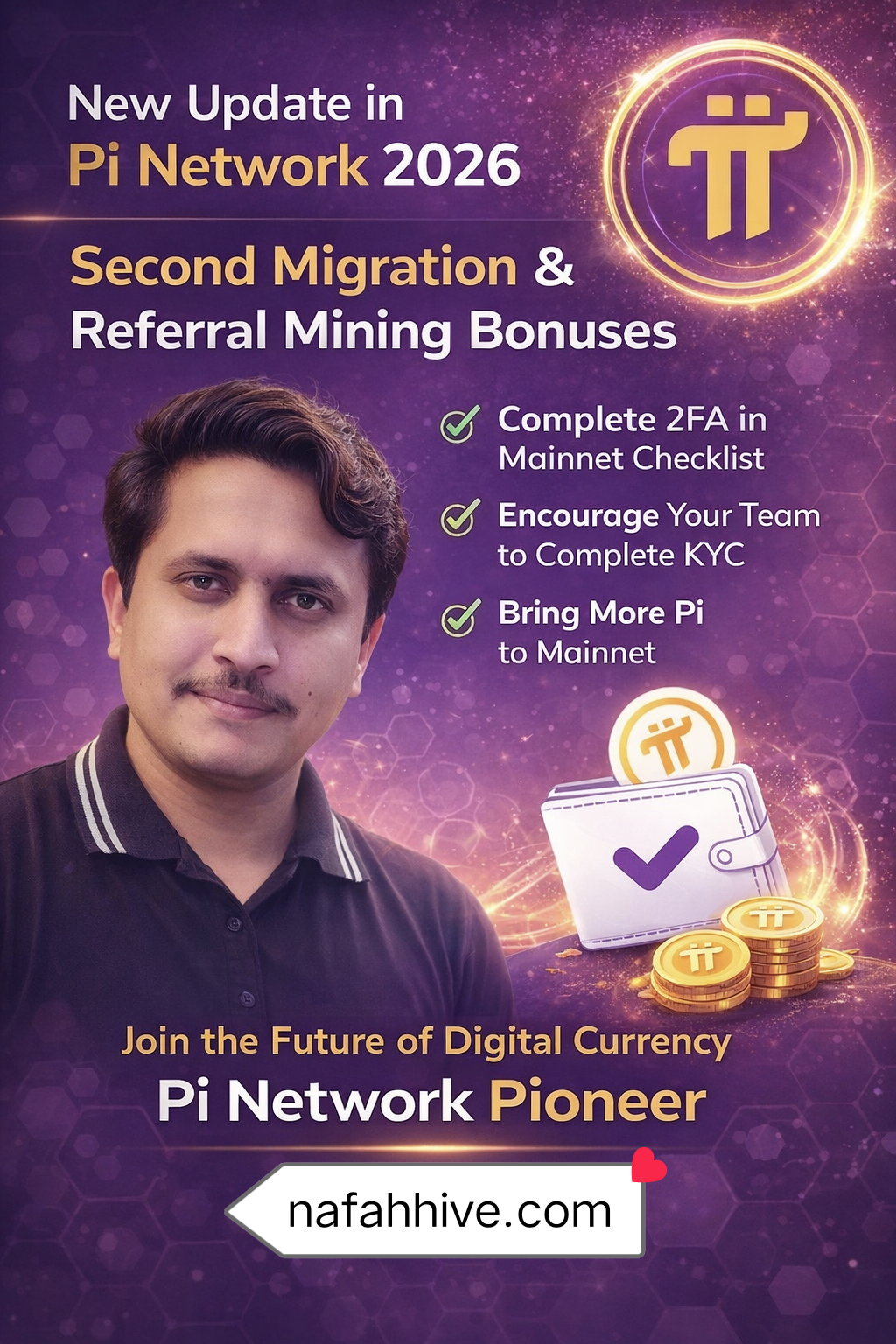
Pi Day Pi Alert 2026
Information about the New Update of Pi Network (Second Migration & Referral Mining Bonuses)
Pi Network is a digital currency project that was created to make cryptocurrency accessible to everyone through mobile phones. Unlike traditional cryptocurrencies that require expensive mining machines and high electricity consumption, Pi Network allows users to mine coins simply by using a mobile application. The project was launched by a group of Stanford graduates with the aim of building a decentralized digital currency that ordinary people can easily participate in. Since its launch, millions of users around the world have joined the network and are known as “Pioneers.” These pioneers contribute to the growth of the ecosystem by mining Pi coins daily and inviting others to join the network.
One of the most important recent developments in Pi Network is the Second Migration and Referral Mining Bonuses feature, which has been introduced to help users transfer more of their earned Pi coins to the main blockchain network. Migration refers to the process of transferring mined Pi coins from the mobile application environment to the official blockchain known as the Mainnet. This step is extremely important because coins that are migrated to the Mainnet become part of the actual blockchain ecosystem and can eventually be used for transactions, services, and other decentralized applications within the Pi ecosystem.
During the early stages of the project, Pi Network focused on building a large user community and ensuring that the system remained secure. Many users mined Pi coins and built referral teams, but not all of those coins were eligible for immediate migration to the Mainnet. This happened because some members of referral teams had not completed the necessary verification processes. To maintain security and authenticity within the network, Pi Network introduced the Know Your Customer (KYC) verification system. KYC is used to confirm that every account belongs to a real person and to prevent fake or duplicate accounts.
With the introduction of the Second Migration feature, Pi Network is giving pioneers another opportunity to bring additional Pi coins to the Mainnet. These coins mainly include referral mining bonuses that were previously locked because some team members had not yet completed their KYC verification. Now, as more users complete their KYC process, these additional coins become eligible for migration. This update is significant because it allows pioneers to access a larger portion of their mined Pi and strengthens the overall economic structure of the network.
Another important part of this update is the Mainnet Checklist, which includes several steps that users must complete before their coins can be migrated successfully. One of the key requirements is enabling Two-Factor Authentication (2FA). This security feature ensures that the user’s account remains protected from unauthorized access. By enabling 2FA, pioneers add an extra layer of security to their accounts, making it more difficult for hackers or malicious actors to gain control over their Pi wallets.
The Mainnet Checklist also encourages users to motivate their team members to complete their KYC verification. Since referral bonuses depend on the activity and verification of team members, completing KYC helps unlock additional rewards. This system encourages cooperation and growth within the community because every pioneer benefits when their team members become verified participants of the network.
The Pi Network ecosystem is gradually evolving from a simple mobile mining platform into a full digital economy. Developers are working on applications, marketplaces, and services that will allow Pi coins to be used for real-world transactions. In the future, Pi coins may be used to buy goods and services, pay for digital content, or participate in decentralized financial applications within the ecosystem. The migration process is therefore a crucial step toward achieving this vision because it moves coins from the test environment to the live blockchain.
Another interesting aspect of Pi Network is its strong community-driven model. Unlike many cryptocurrency projects that rely mainly on investors and technical experts, Pi Network focuses heavily on everyday users. Pioneers contribute not only by mining coins but also by promoting the network, inviting new members, and participating in discussions about the future of the ecosystem. This community participation helps the network grow rapidly and ensures that the project remains decentralized.
The Second Migration update also highlights the importance of patience and long-term vision within the Pi community. Cryptocurrency projects often take many years to develop fully because they require strong infrastructure, security systems, and a large network of users. Pi Network has been gradually building these components while maintaining a balance between growth and security. Each new update, including the Second Migration feature, brings the project closer to its goal of becoming a widely used digital currency.
For pioneers, this update is an opportunity to maximize their participation in the network. By completing the Mainnet Checklist, enabling 2FA, and encouraging team members to finish their KYC verification, users can unlock additional Pi coins and prepare for the next phase of the ecosystem. As the network continues to expand, pioneers who actively contribute to its growth may benefit the most from future developments.
In conclusion, the Second Migration and Referral Mining Bonuses update represents another major milestone in the journey of Pi Network. It allows users to transfer more of their earned Pi coins to the Mainnet, strengthens the network’s security through KYC and 2FA requirements, and encourages greater participation within the community. As the ecosystem continues to develop with new applications and services, Pi Network aims to create a decentralized digital economy where millions of people can use Pi as a practical and accessible form of digital currency. For pioneers around the world, staying active, completing verification steps, and supporting their teams will be essential for fully benefiting from this evolving blockchain project.Dr, Amanullah
-
ایران کی کامیابی اور مسلم اُمّہ کا اتحاد
موضوع: ایران کی کامیابی اور مسلم موضوع: ایران کی کامیابی اور مسلم اُمّہ کا اتحاد کا اتحاد
اسلام ایک ایسا دین ہے جو صرف عبادات کا مجموعہ نہیں بلکہ ایک مکمل ضابطۂ حیات ہے۔ اسلام کی بنیادی تعلیمات میں سے ایک اہم تعلیم اتحادِ اُمّت ہے۔ لفظ اُمّہ سے مراد دنیا بھر کے تمام مسلمانوں کی وہ مشترکہ جماعت ہے جو ایمان اور عقیدے کے رشتے سے جڑی ہوتی ہے۔ �
آج کے دور میں جب مسلمان مختلف مسائل، جنگوں اور سیاسی دباؤ کا سامنا کر رہے ہیں، اس وقت مسلم اُمّہ کے اتحاد کی ضرورت پہلے سے زیادہ بڑھ گئی ہے۔ اس تناظر میں ایران کی بعض کامیابیاں اور اس کا اتحادِ اُمّت کا تصور مسلمانوں کے درمیان ایک اہم موضوع بن چکا ہے۔
Wikipedia
سب سے پہلے ہمیں یہ سمجھنا چاہیے کہ اسلام مسلمانوں کو تفرقہ اور اختلاف سے بچنے کی تعلیم دیتا ہے۔ قرآن کریم میں اللہ تعالیٰ نے فرمایا: “اور اللہ کی رسی کو مضبوطی سے تھام لو اور تفرقہ میں نہ پڑو۔” اس آیت کا مقصد یہی ہے کہ مسلمان ایک دوسرے کے ساتھ اتحاد اور بھائی چارہ قائم رکھیں۔ جب مسلمان متحد ہوتے ہیں تو وہ نہ صرف اپنے مسائل حل کر سکتے ہیں بلکہ دنیا میں بھی ایک مضبوط قوت بن سکتے ہیں۔
ایران کی تاریخ میں 1979 کا اسلامی انقلاب ایک اہم موڑ سمجھا جاتا ہے۔ اس انقلاب نے ایران میں ایک نئی سیاسی اور مذہبی نظام کی بنیاد رکھی اور دنیا بھر کے مسلمانوں میں بیداری کی ایک لہر پیدا کی۔ اس انقلاب کے بعد ایران نے کئی مواقع پر مسلم اُمّہ کے اتحاد کی بات کی اور مختلف کانفرنسوں اور اجلاسوں کے ذریعے مسلمانوں کو قریب لانے کی کوشش کی۔ مثال کے طور پر تہران میں اسلامی اتحاد کانفرنس منعقد کی جاتی ہے جس میں مختلف ممالک کے علماء اور دانشور شریک ہوتے ہیں تاکہ مسلمانوں کے درمیان ہم آہنگی پیدا کی جا سکے۔ �
Wikipedia
ایران کے رہنماؤں نے بھی بارہا اس بات پر زور دیا ہے کہ مسلم ممالک کا اتحاد انتہائی ضروری ہے۔ ان کے مطابق اگر مسلمان متحد ہو جائیں تو وہ اپنے دشمنوں کی سازشوں کو ناکام بنا سکتے ہیں اور دنیا میں انصاف و امن قائم کرنے میں اہم کردار ادا کر سکتے ہیں۔ �
ایران کی بعض کامیابیاں، خصوصاً سیاسی اور دفاعی میدان میں، بعض مسلمانوں کے نزدیک اس بات کی علامت سمجھی جاتی ہیں کہ مسلمان اگر مضبوط ارادہ کریں تو بڑی طاقتوں کے مقابلے میں بھی کھڑے ہو سکتے ہیں۔ اس وجہ سے کچھ حلقوں میں ایران کو مزاحمت اور خودمختاری کی علامت کے طور پر بھی دیکھا جاتا ہے۔ تاہم یہ بھی حقیقت ہے کہ مسلم دنیا میں مختلف سیاسی، مسلکی اور علاقائی اختلافات موجود ہیں جو اتحاد کے راستے میں رکاوٹ بنتے ہیں۔
مسلم اُمّہ کے اتحاد کے لیے سب سے اہم چیز باہمی احترام اور برداشت ہے۔ اسلام ہمیں سکھاتا ہے کہ اختلاف کے باوجود ایک دوسرے کی عزت کی جائے۔ اگر مسلمان فرقہ واریت، نفرت اور تعصب کو چھوڑ کر مشترکہ مسائل پر توجہ دیں تو وہ ایک مضبوط اور متحد قوم بن سکتے ہیں۔
اتحاد کا مطلب یہ نہیں کہ تمام ممالک ایک ہی حکومت کے تحت آ جائیں، بلکہ اس کا اصل مقصد یہ ہے کہ مسلمان مشترکہ مفادات کے لیے ایک دوسرے کے ساتھ تعاون کریں۔ مثال کے طور پر تعلیم، معیشت، تجارت، سائنس اور ٹیکنالوجی کے میدان میں اگر مسلم ممالک مل کر کام کریں تو وہ ترقی کی نئی منازل طے کر سکتے ہیں۔
ایران کی جانب سے اتحاد کی بات اس بات کی یاد دہانی ہے کہ مسلمانوں کے مسائل صرف ایک ملک کے نہیں بلکہ پوری اُمّہ کے مسائل ہیں۔ فلسطین، کشمیر اور دیگر علاقوں کے مسائل اس وقت بہتر انداز میں حل ہو سکتے ہیں جب مسلمان آپس میں متحد ہوں اور ایک دوسرے کا ساتھ دیں۔
آج کے دور میں میڈیا اور سوشل میڈیا نے دنیا کو ایک گلوبل گاؤں بنا دیا ہے۔ اس لیے مسلمانوں کے لیے ضروری ہے کہ وہ مثبت پیغام، بھائی چارہ اور اتحاد کو فروغ دیں۔ نوجوان نسل کو بھی چاہیے کہ وہ نفرت اور تعصب سے دور رہ کر علم، تحقیق اور ترقی کی طرف توجہ دے۔
آخر میں یہ کہا جا سکتا ہے کہ ایران کی کامیابی یا کسی بھی مسلم ملک کی کامیابی دراصل پوری مسلم اُمّہ کے لیے ایک امید کی کرن ہو سکتی ہے، بشرطیکہ مسلمان اس سے سبق سیکھیں اور آپس میں اتحاد پیدا کریں۔ اگر مسلمان قرآن و سنت کی تعلیمات کو اپنا لیں، ایک دوسرے کے حقوق کا احترام کریں اور مشترکہ مفادات کے لیے مل کر کام کریں تو وہ نہ صرف اپنی مشکلات پر قابو پا سکتے ہیں بلکہ دنیا میں امن، انصاف اور ترقی کا پیغام بھی پھیلا سکتے ہیں۔
نتیجہ:
مسلم اُمّہ کی اصل طاقت اتحاد، ایمان اور اخوت میں ہے۔ جب مسلمان متحد ہوں گے تو وہ ہر مشکل کا مقابلہ کر سکیں گے اور دنیا میں ایک باوقار اور مضبوط مقام حاصل کر سکیں گے۔
Dr, Amanullah -
🇮🇷🇺🇸 Current Situation iran(2026)
🇮🇷🇺🇸 Current Situation (2026)
Relations between Iran and United States are very tense.
There is no final agreement yet
Both sides have very different demands
Indirect talks (through mediators) are ongoing
Military pressure is still high in the region
🔍 Key Issues in Negotiations- Sanctions (Biggest Problem)
The U.S. has placed heavy economic sanctions on Iran
Iran demands:
Full removal of sanctions
Access to global trade and banking
👉 The U.S. is not ready to remove all sanctions immediately - Nuclear Program
The U.S. wants Iran to limit or stop its nuclear program
Iran says:
Its program is for peaceful purposes
It will not fully give up its nuclear capability
👉 This is the core conflict - Military Power & Missiles
The U.S. wants restrictions on:
Iran’s missiles
Regional influence
Iran refuses:
Says defense is non-negotiable - Regional Influence
Iran is active in:
Iraq
Syria
Lebanon
The U.S. sees this as a threat
👉 Iran sees it as strategic defense
🔄 How Talks Are Happening
No direct face-to-face talks
Countries like:
Pakistan
Turkey
Oman
are acting as mediators
👉 This is called “backchannel diplomacy”
📊 Possible Outcomes
✅ 1. Limited Deal (Possible but Difficult)
Partial sanction relief
Iran limits some nuclear activity
👉 This would reduce tension but not solve everything
⚖️ 2. Long-Term Tension (Most Likely)
Talks continue without final agreement
Occasional conflicts
No full war, no full peace
👉 This is the most realistic scenario
🔥 3. Escalation / Conflict
Talks fail completely
More military actions
Risk of a wider regional war
👉 This is dangerous but still possible
🌍 Global Impact
Oil Prices
Any conflict → oil prices increase
Affects countries like Pakistan
Economy
Trade routes can be disturbed
Inflation may rise globally
Security
Middle East instability affects the whole world
🧠 Final Analysis
Neither side wants a full-scale war
But neither wants to fully compromise
So the situation stays: 👉 “Controlled tension with ongoing negotiations”
If you want, I can also explain:
Who is stronger militarily (Iran vs U.S.)
What impact this has on Pakistan specifically
Or future predictions for the next 6 months
- Sanctions (Biggest Problem)
-
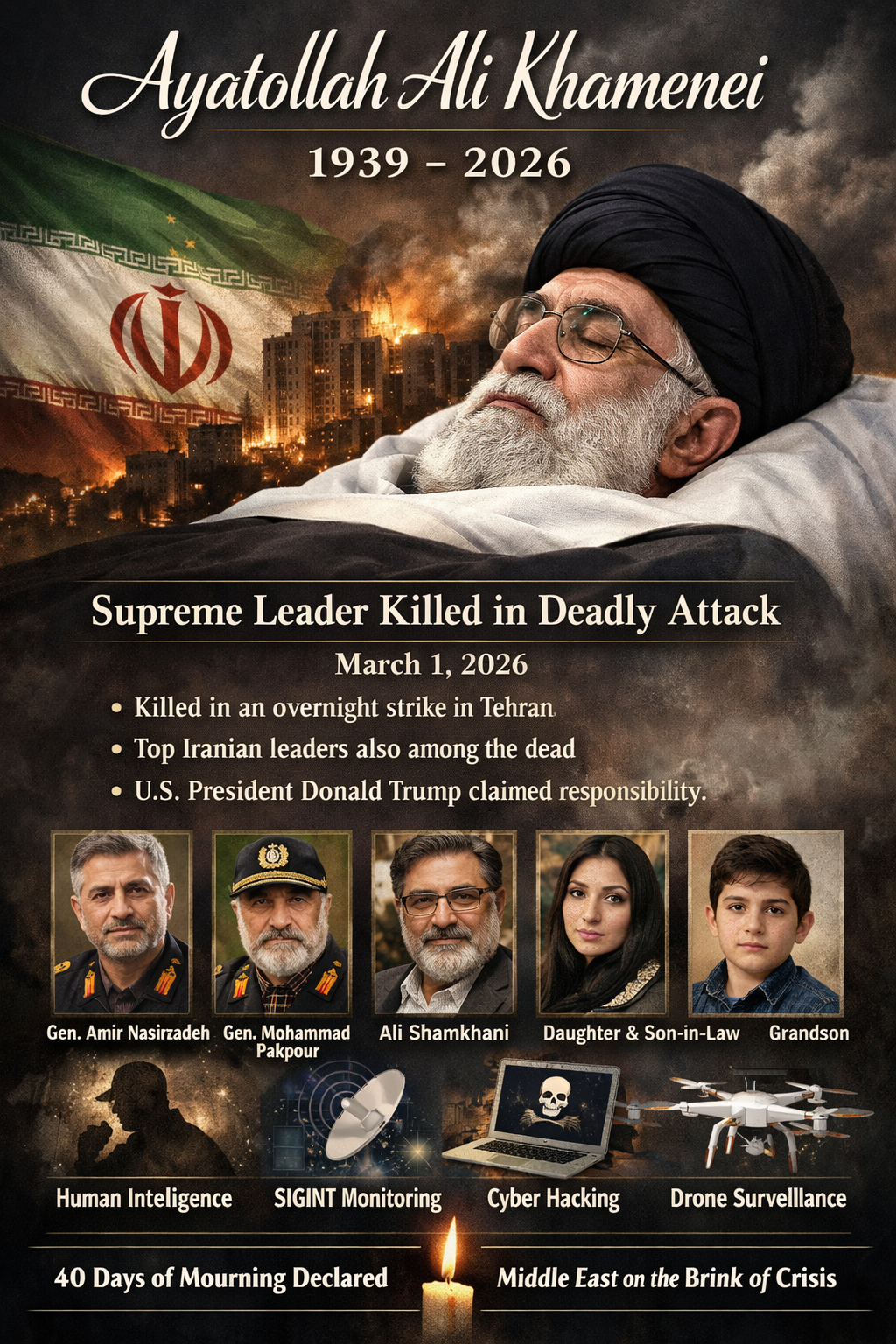
Death of Iran’s Supreme Leader (1939–2026)
Death of Iran’s Supreme Leader (1939–2026)
The reported death of Ali Khamenei, the Supreme Leader of Iran, on March 1, 2026, has shaken the political landscape of the Middle East and drawn global attention. According to various reports, a powerful and highly coordinated attack occurred in the Iranian capital Tehran late at night, creating panic and uncertainty across the country.
At 12:37 AM, former U.S. President Donald Trump reportedly claimed that the Iranian Supreme Leader had died in the strike. Initially, Iranian officials and state media remained silent, which led to widespread speculation across international media platforms. Later, Iranian authorities reportedly confirmed that the Supreme Leader had been killed during the attack.
Senior Officials Reportedly Killed in the Attack
According to Iranian media and several international reports, the attack also resulted in the deaths of several high-ranking Iranian officials. Among those mentioned were:
- Amir Nasirzadeh — Iran’s Minister of Defense
- Mohammad Pakpour — Commander of the Islamic Revolutionary Guard Corps
- Ali Shamkhani — Senior adviser to the Supreme Leader and former Secretary of Iran’s Supreme National Security Council
Some reports also suggested that a few members of Khamenei’s family were present during the attack and were among the casualties. These reportedly included a daughter, son-in-law, daughter-in-law, and a grandchild, although official confirmation regarding family members has remained limited.
National Mourning and Security Situation
Following the incident, the Iranian government declared 40 days of national mourning and announced seven days of public holidays across the country. The Islamic Revolutionary Guard Corps (IRGC) vowed to respond strongly to the attack and promised retaliation against those responsible.
Security measures were immediately tightened in major cities, especially in Tehran. Military checkpoints were increased, and many sensitive government buildings were placed under strict protection. Reports indicated that the atmosphere among the public was tense, with many citizens worried about possible regional conflict or instability.
International Reaction
The international response to the incident was swift and cautious.
- Governments in Russia and China reportedly issued condolence messages and called for restraint in the region.
- Several Western countries and U.S. allies expressed concern that the situation could escalate into a broader geopolitical crisis.
- Global energy markets reacted quickly, with oil prices rising due to fears that tensions around the Strait of Hormuz could disrupt global oil supply routes.
Political analysts around the world warned that the death of Iran’s Supreme Leader could mark a major turning point in Middle Eastern geopolitics and might trigger new power struggles within Iran’s leadership structure.
Possible Intelligence Leak Behind the Attack
Although no official explanation has yet been confirmed, defense experts have discussed several possible intelligence scenarios that could have made such a targeted attack possible:
Human Intelligence (HUMINT):
Information might have been leaked by insiders who had knowledge of the Supreme Leader’s movements, schedule, or security arrangements.Signals Intelligence (SIGINT):
Communication signals from mobile phones, satellite communications, or radio transmissions could have been intercepted and tracked.Cyber Espionage:
Hackers might have gained access to Iranian surveillance systems, security cameras, or communication networks.Satellite and Drone Surveillance:
Advanced satellite imagery or drone monitoring could have been used to track the location and confirm the results of the attack.Multi-Layer Intelligence Operations:
Experts believe the attack may have relied on a combination of human sources, cyber intelligence, satellite monitoring, and electronic surveillance.These possibilities suggest that the operation may have been highly sophisticated and carefully coordinated.
Life, Struggle, and Leadership of Ali Khamenei
Ali Khamenei was born in 1939 in the city of Mashhad, one of Iran’s most important religious centers. He studied Islamic theology in the religious seminaries of Qom, where he became involved in the revolutionary movement led by Ruhollah Khomeini against the rule of the Shah.
During the years leading up to the Iranian Revolution of 1979, Khamenei was arrested multiple times and spent periods in prison because of his political activism. After the revolution succeeded, he quickly rose within the new Islamic government.
In 1981, he survived a serious assassination attempt during a public speech when a bomb exploded near him. The attack severely injured his right arm, leaving it permanently paralyzed. Because he survived the attempt, many supporters later referred to him as a “living martyr.”
Later that same year, he was elected President of Iran and served two terms from 1981 to 1989. After the death of Ruhollah Khomeini in 1989, Khamenei was selected by Iran’s Assembly of Experts to become the Supreme Leader of Iran, the most powerful position in the country’s political system.
For nearly 36 years, he remained the ultimate authority over Iran’s government, military forces, judiciary, and key national policies. His leadership period included major geopolitical tensions, including disputes with the United States, debates over Iran’s nuclear program, regional conflicts, and internal political challenges.
Dr, Amanullah.
-
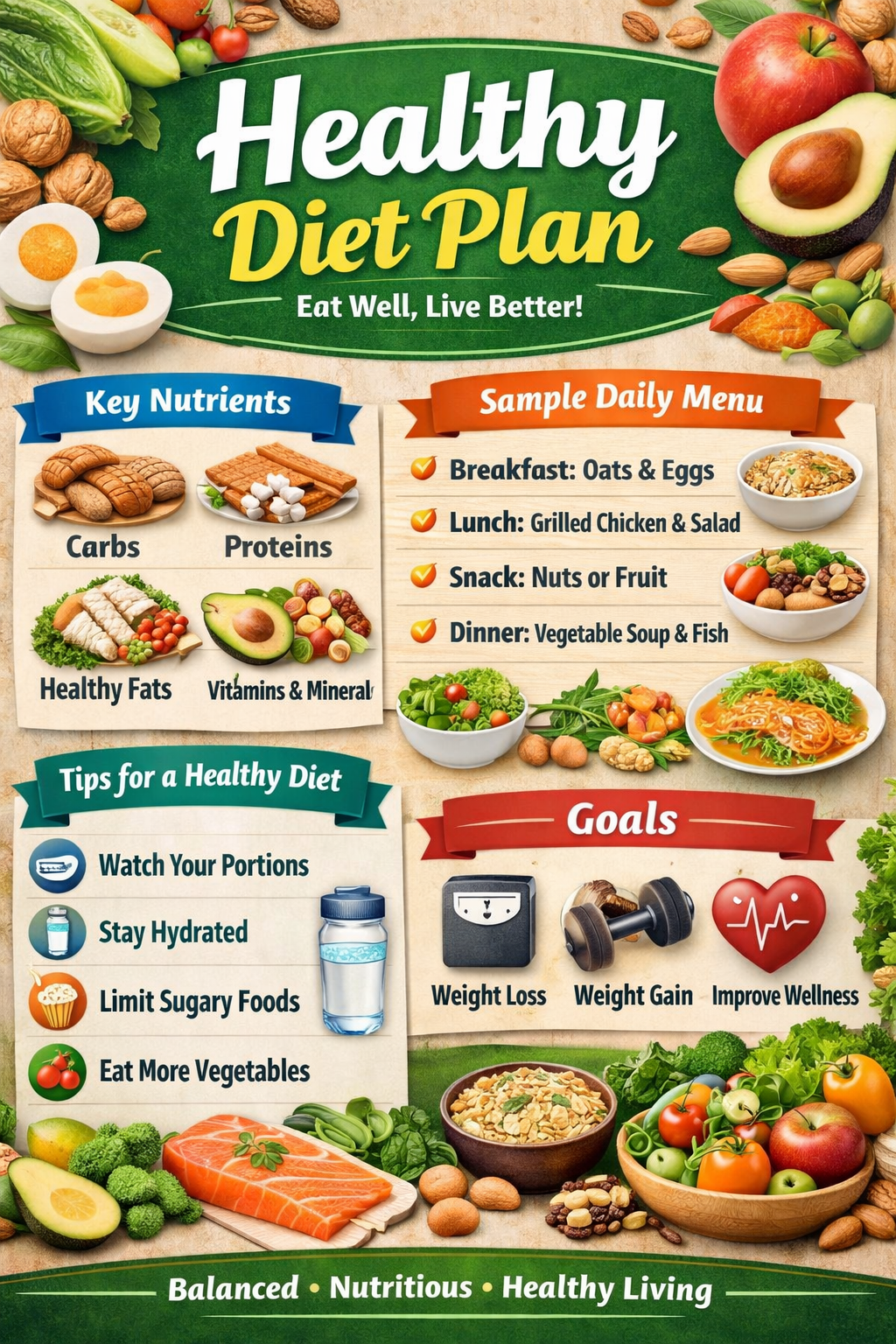
Healthy Diet Plan A Complete Guide To Better Living.
Healthy Diet Plan: A Complete Guide to Better Living
A healthy diet plan is one of the most important foundations of a strong body and a sharp mind. The food we eat directly affects our energy levels, immune system, mental health, and overall quality of life. In today’s fast-paced world, many people rely on processed foods, sugary drinks, and irregular eating habits, which can lead to obesity, diabetes, heart disease, and other health problems. Following a balanced and well-structured diet plan can help prevent these issues and promote long-term well-being.
What Is a Healthy Diet Plan?
A healthy diet plan is a balanced eating pattern that provides the body with essential nutrients, including carbohydrates, proteins, healthy fats, vitamins, minerals, and water. It focuses on natural, whole foods rather than processed and junk foods. The goal is not starvation or extreme dieting, but moderation, balance, and proper portion control.
A good diet plan should:
Provide enough energy for daily activities
Support growth and body repair
Strengthen the immune system
Maintain a healthy weight
Reduce the risk of chronic diseases
Essential Components of a Healthy Diet- Carbohydrates (Energy Source)
Carbohydrates are the body’s primary source of energy. However, not all carbohydrates are equal. Choose complex carbohydrates such as:
Whole wheat bread
Brown rice
Oats
Barley
Fruits and vegetables
Avoid refined carbohydrates like white bread, pastries, and sugary snacks. Complex carbs provide fiber, which improves digestion and keeps you full for longer. - Proteins (Body Building Nutrient)
Protein is essential for muscle growth, tissue repair, and hormone production. Healthy protein sources include:
Eggs
Fish
Chicken
Lentils (daal)
Beans
Chickpeas
Yogurt
Nuts and seeds
Try to include protein in every meal to maintain muscle strength and prevent weakness. - Healthy Fats
Fats are necessary for brain function and vitamin absorption. Choose healthy fats such as:
Olive oil
Avocado
Almonds
Walnuts
Flax seeds
Fish (rich in omega-3)
Avoid trans fats and excessive fried foods, as they increase the risk of heart disease. - Vitamins and Minerals
Vitamins and minerals are vital for immunity and overall body function. Eat a variety of colorful fruits and vegetables, such as:
Spinach
Carrots
Tomatoes
Oranges
Apples
Bananas
Different colors provide different nutrients, so aim to “eat the rainbow.” - Water (Hydration)
Water is often ignored, but it is crucial for digestion, circulation, and temperature control. Drink at least 8–10 glasses of water daily. Increase intake during hot weather or exercise.
Sample Daily Healthy Diet Plan
Here is an example of a balanced daily meal plan:
Breakfast
1 boiled egg or omelet
1 slice whole wheat bread or a bowl of oats
1 fruit (apple or banana)
1 cup milk or green tea
Breakfast should be nutritious because it provides energy for the day.
Mid-Morning Snack
Handful of almonds or walnuts
Fresh fruit or yogurt
Light snacks prevent overeating at lunch.
Lunch
1–2 whole wheat chapatis or brown rice
Grilled chicken or lentils
Mixed vegetable salad
Yogurt
Keep lunch balanced with protein, carbs, and vegetables.
Evening Snack
Green tea
Roasted chickpeas or fruit
Avoid fried snacks and sugary drinks.
Dinner
Light meal such as vegetable soup
Grilled fish or chicken
Small portion of chapati
Dinner should be light and eaten at least 2–3 hours before sleep.
Tips for Maintaining a Healthy Diet
Control Portion Size: Even healthy foods can cause weight gain if eaten in large quantities.
Avoid Sugary Drinks: Replace soft drinks with water or fresh juices.
Limit Salt Intake: Excess salt increases blood pressure.
Eat Slowly: Chewing properly improves digestion and prevents overeating.
Do Not Skip Meals: Skipping meals slows metabolism and increases cravings.
Plan Your Meals: Weekly meal planning helps avoid junk food.
Include Physical Activity: Combine diet with daily exercise for best results.
Healthy Diet for Weight Loss
If your goal is weight loss:
Reduce portion sizes
Increase vegetables and protein
Avoid fried and processed foods
Reduce sugar intake
Walk 30 minutes daily
Weight loss should be gradual and sustainable, not extreme.
Healthy Diet for Weight Gain
If you want to gain weight in a healthy way:
Eat more frequently (5–6 meals per day)
Add healthy calorie sources like nuts and peanut butter
Include milk, eggs, and protein-rich foods
Perform strength training exercises
Avoid gaining weight through junk food, as it leads to health problems.
Common Mistakes to Avoid
Following crash diets
Completely avoiding carbohydrates
Overeating “diet” snacks
Drinking insufficient water
Ignoring fruits and vegetables
A healthy diet is not about strict restrictions; it is about balance and consistency.
Conclusion
A healthy diet plan is a lifelong commitment to better health. It does not require expensive foods or complicated recipes. Simple home-cooked meals, fresh vegetables, whole grains, lean proteins, and adequate hydration are enough to maintain good health. By making small but consistent changes in eating habits, anyone can improve their physical strength, mental clarity, and overall quality of life.
Remember, good health is the greatest wealth. Start today by choosing healthier foods and making smarter decisions about what you eat. Your body will thank you in the long run.
- Carbohydrates (Energy Source)
-
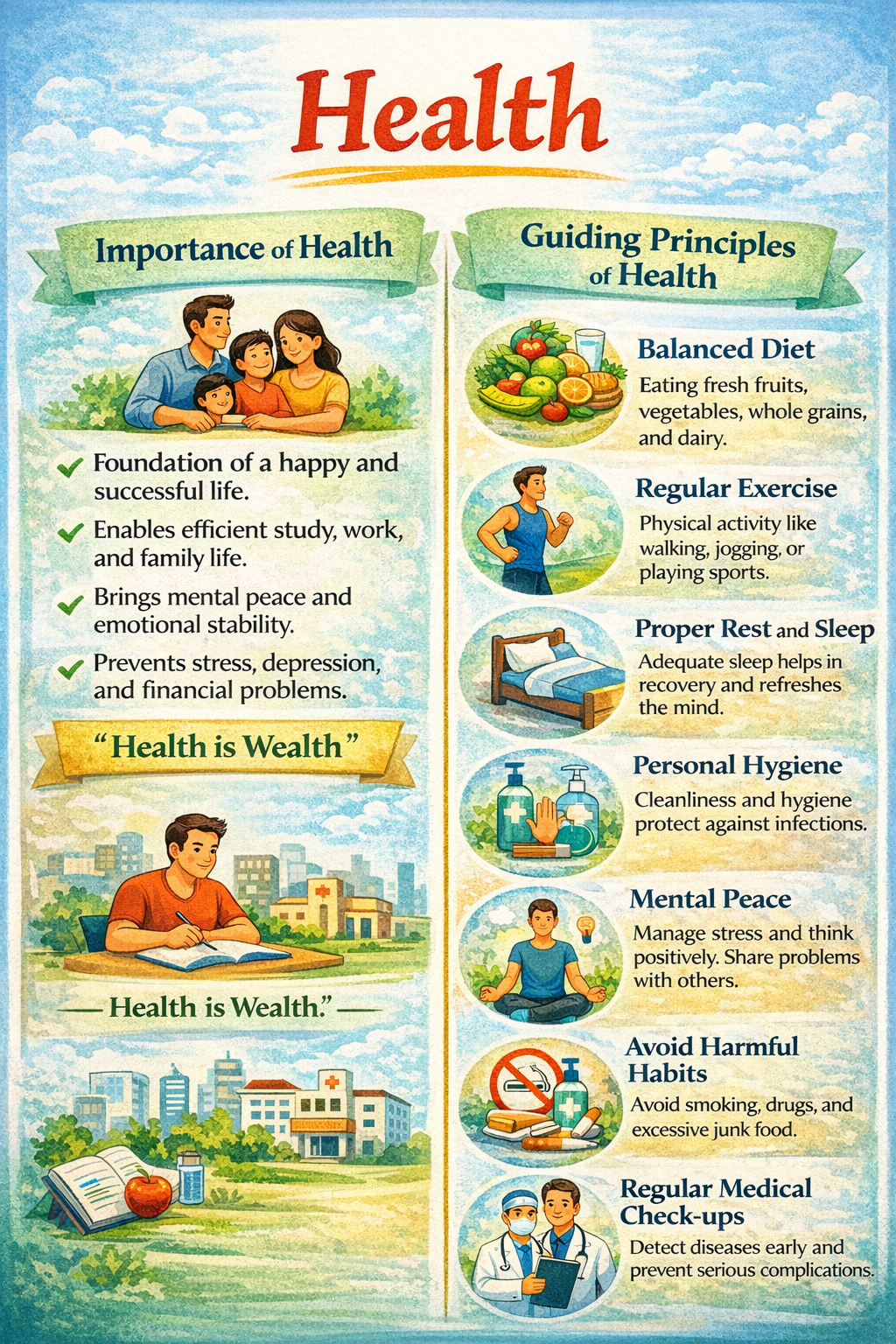
Importance of Health
Health
Health is one of the most valuable assets in human life. It plays a vital role in shaping an individual’s personality, productivity, and overall quality of life. A healthy person can perform daily activities efficiently, face challenges confidently, and enjoy life to the fullest. Health is not limited to the absence of disease; rather, it is a state of complete physical, mental, and emotional well-being. Without good health, even wealth, education, and success lose their true meaning.
Physical health is the foundation of a healthy life. It refers to the proper functioning of the human body and its systems. Maintaining physical health requires a balanced diet, regular exercise, adequate sleep, and personal hygiene. A balanced diet includes fruits, vegetables, whole grains, proteins, and dairy products that provide essential nutrients to the body. Proper nutrition strengthens the immune system and helps prevent various diseases such as obesity, diabetes, and heart problems. Regular physical activity, such as walking, jogging, cycling, or playing sports, keeps the body active, improves blood circulation, and maintains a healthy weight. Adequate rest and sleep allow the body to recover and function properly, while cleanliness and hygiene protect against infections and illnesses.
Mental health is another important aspect of overall health. It refers to a person’s emotional and psychological well-being. A mentally healthy person can think clearly, make good decisions, manage stress, and cope with the challenges of life. In today’s fast-paced world, stress, anxiety, and depression have become common problems due to academic pressure, work stress, financial difficulties, and social issues. Poor mental health can affect concentration, relationships, and physical health. To maintain mental well-being, it is important to develop positive thinking, manage time effectively, and take breaks from routine stress. Activities such as reading, meditation, exercise, and spending time with loved ones help relax the mind. Sharing problems with friends, family, or professionals also reduces emotional burden and promotes mental peace.
Emotional health is closely connected with mental health and plays a significant role in a person’s behavior and relationships. Emotional health means understanding, expressing, and controlling one’s emotions in a healthy way. Emotions such as happiness, anger, fear, sadness, and excitement are natural, but extreme or uncontrolled emotions can lead to problems. Emotional stability helps individuals handle difficult situations calmly and build strong social relationships. A person with good emotional health can communicate effectively, show empathy, and maintain self-confidence. Developing emotional intelligence, practicing patience, and maintaining a positive attitude are essential for emotional well-being.
A healthy lifestyle is the key to achieving and maintaining good health. Healthy habits formed at an early age often continue throughout life. Avoiding harmful substances such as smoking, alcohol, and drugs is crucial, as they damage vital organs and lead to serious diseases. Excessive consumption of junk food and sugary drinks also negatively affects health. Instead, people should adopt healthy eating habits and drink plenty of water. Regular health check-ups help detect diseases at an early stage and prevent complications. Maintaining cleanliness at home and in the surrounding environment reduces the spread of infectious diseases and promotes community health.
Health is closely linked to productivity and success. A healthy individual can study effectively, work efficiently, and contribute positively to society. On the other hand, poor health limits physical and mental abilities, causing stress and financial burden. Medical expenses, loss of working days, and reduced efficiency affect not only individuals but also families and the economy. Therefore, governments and societies must prioritize healthcare services, promote health awareness, and provide access to clean water, proper sanitation, and medical facilities.
In modern times, technological advancement has made life easier, but it has also created health challenges. Lack of physical activity, long screen time, and unhealthy eating habits have increased lifestyle-related diseases. People spend more time on mobile phones and computers, which affects posture, eyesight, and mental health. To counter these effects, individuals must balance technology use with physical activity and social interaction. Encouraging outdoor activities and healthy routines is essential for overall well-being.
In conclusion, health is the true wealth of life. Without good health, happiness and success remain incomplete. Physical, mental, and emotional health together form a balanced and fulfilling life. Every individual has a responsibility to take care of their health by adopting a healthy lifestyle, avoiding harmful habits, and maintaining a positive outlook. Societies and governments must also work together to promote health awareness and provide quality healthcare facilities. By valuing health and making it a priority, people can lead a longer, happier, and more productive life. Dr,Amanullah
-
Hello world!
Welcome to WordPress. This is your first post. Edit or delete it, then start writing!